
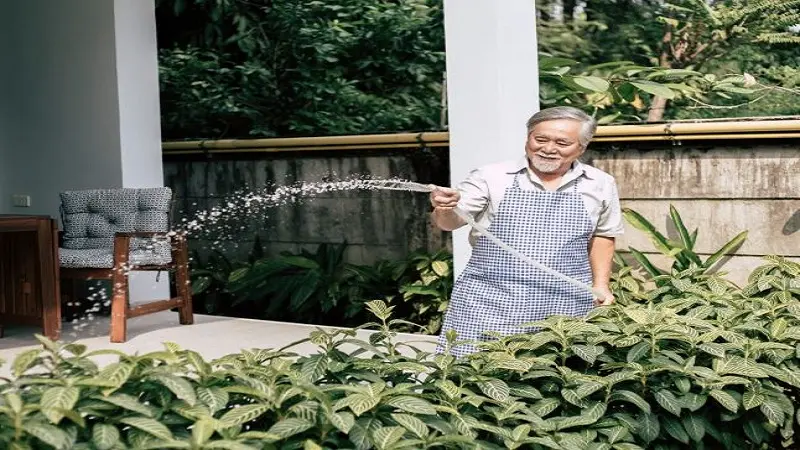
- Study sun, wind, drainage, and circulation before choosing features.
- Combine built shade, planting, and screening for more usable comfort.
- Select materials with heat, rain exposure, maintenance, and repairs in mind.
- Plan irrigation and runoff before installing decorative landscape elements.
- Confirm permit, setback, and association requirements before construction.
Sacramento backyards can be welcoming gathering places, but comfort depends on more than adding a patio set. Strong summer sun, dry periods, cool evenings, and winter rain all affect where people sit, how surfaces feel, and how water moves through the yard. Homeowners considering patio covers California can look to California Exteriors Incorporated, a Roseville-based contractor serving the greater Sacramento region with custom attached and freestanding covers, patio pavers, retaining walls, and landscape improvements. Its local experience with shade structures and hardscape makes it a useful option for homeowners who want an outdoor plan designed around everyday use.
The best results begin with a site-specific approach. A west-facing patio may need stronger late-day protection than a morning coffee area, while a low spot near a downspout may need drainage attention before new pavers or planting go in. Designing for these details helps create a space that remains practical through Sacramento’s changing seasons.
Why Sacramento Outdoor Spaces Need Local Planning
A comfortable yard needs shade at the right time of day, a surface that feels manageable underfoot, and a route for roof runoff that does not send water toward the home. Afternoon exposure is especially important in west-facing areas, where low-angle sun can create glare long after midday. At the same time, leaving selected areas open to winter sun can make a patio more inviting when temperatures are cooler.
Walk the property in the morning, around midday, and later in the afternoon. Note where shade falls, where wind moves through the yard, and where puddles collect after rain. This small survey often reveals better locations for a dining area, lounge zone, tree, screen, or covered structure.
Start With How the Space Will Be Used
Function should guide dimensions and layout. A compact dining area near the kitchen has different needs from a separate lounge, play space, pet run, or outdoor cooking area. Mark a proposed footprint with stakes, string, or painter’s tape, then test it with chairs and a table before committing to permanent work.
Questions to Answer Before Designing
- How many people should the space accommodate on a typical weekend?
- Will meals, relaxing, entertaining, or children’s activities be the main use?
- Where will people walk from doors, gates, and parking areas?
- Will lighting, fans, a grill, or other equipment require utilities?
- Which areas should remain open for pets, storage, or garden beds?
Compare Shade Options for Sacramento Yards
There is no single best shade solution. The right choice depends on the home’s architecture, desired coverage, available clearance, maintenance preference, and whether the seating area sits beside the house or farther into the yard.
- Attached covers:Create a direct connection to the home, and can define an outdoor dining or living room.
- Freestanding covers:Work well for a destination seating area, poolside zone, or gathering space away from the house.
- Retractable systems:Allow changing coverage as conditions and seasons shift.
- Shade sails:Provide a lighter visual profile and can suit contemporary landscapes.
- Tree canopy:Adds living shade, texture, and habitat, although coverage changes as trees grow and seasons change.
Layering usually creates the most adaptable result. A fixed roof over a dining table can provide dependable coverage, while trees, tall shrubs, or screens can reduce glare at the edges without enclosing the space.
Pair Shade With Water-Wise Landscaping
Shade planning and planting design should happen together. Use mulch to help reduce evaporation from bare soil, group plants with similar water needs, and separate irrigation zones for trees, shrubs, and containers when practical. Drip irrigation can direct water closer to plant roots rather than spraying broad areas.
California’s water-efficient landscape guidance emphasizes climate-appropriate planting, efficient irrigation, and landscape water management. Native and climate-adapted selections can add color, privacy, and seasonal interest without requiring the same approach as a traditional high-water lawn.
Choose Materials for Heat, Rain, and Upkeep
Material choices affect comfort and long-term maintenance. Request samples and view them outdoors when possible, because color and texture can look different in full sun than they do indoors.
- Metal:Offers a clean appearance and generally low routine upkeep, but darker finishes can feel hotter in direct sun.
- Wood:Adds warmth and character, but requires periodic inspection and protective maintenance.
- Composite materials:Can reduce some maintenance tasks, although heat and expansion characteristics should be discussed.
- Pavers:Can define patios and paths, and individual units may be easier to address than a continuous surface.
- Concrete:Creates a durable base, but slope, drainage, cracking, and surface heat should be considered early.
When Professional Help Makes Sense
Professional design and installation support can be valuable when a project involves structural attachment, grading, drainage, electrical work, retaining walls, or changes near mature trees. A detailed site review can clarify drainage paths, material transitions, setbacks, and how a cover will relate to existing doors, windows, and landscaping.
Review Sacramento Permit and Property Rules
Permit requirements vary based on location and project details. A property inside the City of Sacramento may follow a different process from one in unincorporated Sacramento County or a neighboring city. The City of Sacramento identifies site-built patio covers as a building project category, so homeowners should confirm current requirements before construction begins.
- Check whether a building permit is required.
- Ask about setbacks, height limits, and property-line clearances.
- Confirm separate requirements for electrical, gas, lighting, or outdoor kitchens.
- Review homeowner association rules when they apply.
Use a Simple Project Plan
- Map doors, windows, trees, utilities, property lines, and drainage paths.
- Track sun exposure at several times of day.
- Set priorities for seating, shade level, privacy, and circulation.
- Choose materials based on maintenance, heat, durability, and repair needs.
- Confirm permits before ordering materials or scheduling work.
- Compare written proposals for scope, materials, timeline, cleanup, warranty, and exclusions.
Common Questions From Sacramento Homeowners
What is the best shade direction for a Sacramento patio?
West-facing patios often need attention because late-day sun can be intense. The best solution depends on the home’s orientation, nearby buildings, existing trees, and the hours when the patio will be used.
Should trees or a built cover come first?
A built cover provides more immediate and predictable coverage, while trees contribute long-term shade and landscape value. Many properties benefit from both when mature size, roots, irrigation, and roof clearance are considered.
How can outdoor water use be reduced?
Use climate-appropriate plants, group them by water needs, check irrigation for leaks, apply mulch, and adjust watering schedules as conditions change.
Does every patio cover need a permit?
Not necessarily. Requirements depend on the structure, dimensions, location, attachment method, and local jurisdiction. Verify the rules that apply to the specific property before work starts.
Conclusion
A Sacramento outdoor space works best when it is planned for real conditions rather than copied from a catalog image. By studying the sun, managing water, selecting durable materials, and checking requirements early, homeowners can create a cooler, more useful yard for summer afternoons, winter rain, and the routines in between. See more