
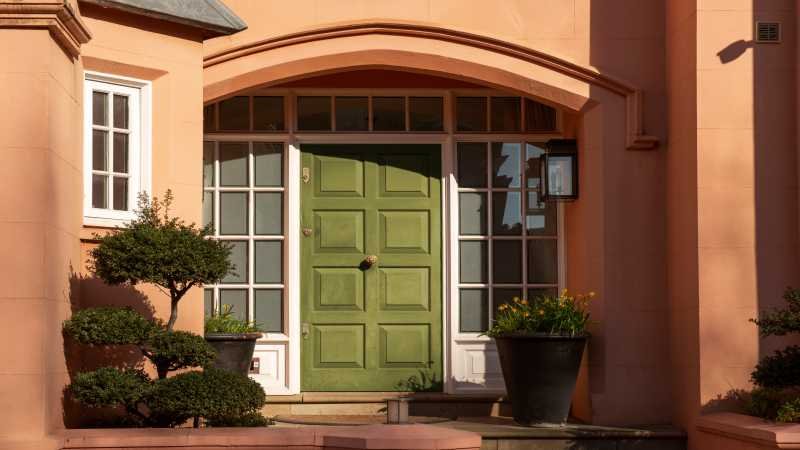
A front door does more than mark the main entrance. It influences the way a home looks from the street, how comfortable the foyer feels, and how easily household members move in and out each day. Homeowners comparing styles, materials, and entry configurations can use Grand Entry Doors as a starting point for considering how a door fits the wider exterior design.
The best choice is rarely based on appearance alone. A door also needs to suit the local weather, amount of sun exposure, required privacy, security priorities, maintenance expectations, and the home’s architecture.
Key Takeaways
- A front door should support curb appeal, daily comfort, weather protection, and security.
- Door material, glazing, seals, hardware, and installation quality all affect long-term performance.
- Wood, fiberglass, and steel can each be appropriate depending on climate, upkeep, budget, and design goals.
- Small details, including lighting, house numbers, trim, and drainage, help complete the entry.
Table of Contents
- Why Front Doors Matter
- Inspecting the Existing Door
- Choosing a Door Material
- Comfort and Draft Control
- Security and Hardware
- Style, Glass, and Privacy
- Budget and Installation Planning
- Finishing Details and Mistakes to Avoid
Why Front Doors Matter
The entry is one of the most visible parts of a house, but it is also a working boundary between indoor and outdoor space. Residents use it in rain, heat, darkness, and busy weekday routines. Guests, delivery drivers, and service providers often form their first impression there. A plain or poorly proportioned entry can make an otherwise polished exterior feel unfinished, while a well-matched door can bring siding, windows, trim, and landscaping into better balance.
Inspecting the Existing Door
Start with a practical inspection before shopping for a replacement. Look for peeling finish, rust, soft wood, cracks, swelling, dents, or damage near the bottom edge. Open and close the door slowly to see whether it rubs, sticks, or leaves uneven gaps. Check the hinges, threshold, weather stripping, lock, handle, frame, and exterior trim.
Daylight visible around a closed door can point to an air-sealing or alignment issue. A door that is difficult to latch may need adjustment, but persistent warping, moisture damage, a failing frame, or repeated drafts can make replacement the more sensible choice.
Choosing a Door Material
Wood
Wood provides natural grain and visual warmth that can complement traditional, Craftsman, rustic, and historic homes. It also requires attention to paint or stain, particularly when the entry receives strong sun, wind-driven rain, or snow. Prompt maintenance helps protect exposed edges and joints.
Fiberglass
Fiberglass doors offer a broad range of colors, panel layouts, and wood-look finishes. They can be a practical option for homeowners who want a detailed appearance with a lower-maintenance surface. Confirm the construction, finish requirements, and warranty details rather than relying on appearance alone.
Steel
Steel doors can provide a clean, solid-looking entry and are available in many simple and traditional designs. They should be protected from scratches and damaged paint, since exposed metal can corrode when moisture reaches it. Check that the frame, hinges, and hardware are appropriate for the door’s weight.
Comfort and Draft Control
Comfort depends on the whole opening, not merely the door slab. Gaps at the jamb, threshold, sill, or surrounding frame can allow outside air and moisture to enter. The U.S. Department of Energy notes that older, uninsulated, improperly installed, or poorly air-sealed exterior doors may leak air and increase heating and cooling demands through its guidance on upgrading exterior doors.
Look for continuous weather stripping, a properly fitted sweep, secure hinges, and a threshold that meets the door evenly. When comparing insulated doors or glazed inserts, consider the climate and the direction the entrance faces. ENERGY STAR explains that residential doors may be evaluated by U-factor and, when glass is present, solar heat gain coefficient, so homeowners can compare energy performance for their climate zone rather than judging a product only by its finish.
Security and Hardware
A secure entry relies on several components working together. A dependable deadbolt, reinforced strike area, solid hinges, and a frame in good condition matter as much as the decorative handleset. Exterior lighting improves visibility at the threshold and walkway, while a wide-angle viewer, doorbell camera, or smart lock may add convenience for some households.
Choose hardware that is easy for everyone in the home to operate. The lock should engage smoothly, and the handle should feel comfortable in the hand. A high-quality lock cannot compensate for loose hinges, deteriorated jamb material, or a door that does not close squarely.
Style, Glass, and Privacy
Match the door’s lines and proportions to the house. Clean, flat-panel designs often suit contemporary exteriors, while divided lights, raised panels, and natural finishes can work well with more traditional façades. Review paint and stain samples outdoors, because daylight can change how color appears against brick, stone, siding, or trim.
Glass can brighten a dark foyer, especially when used in sidelights or a transom. Clear glass provides the most open view, while textured, frosted, or tinted glass can improve privacy. Consider sightlines from the sidewalk, nearby homes, and interior rooms. South- and west-facing entries may also require careful glazing choices to manage glare and solar heat gain.
Budget and Installation Planning
Build the budget around the complete project. Include the door or door system, framing, threshold, lockset, trim, paint or stain, removal of the old unit, installation, and any repairs to surrounding siding, masonry, drywall, or flooring. Lighting and landscaping can be separate finishing costs.
Accurate measurement is essential. Record the rough opening, jamb depth, swing direction, hinge placement, threshold height, and clearance for a storm door, porch, steps, and interior flooring. An attractive door can still leak, bind, or operate poorly if the opening is not square, level, plumb, and correctly sealed.
Finishing Details and Mistakes to Avoid
Complete the entry with useful, restrained details. Add lighting that provides safe footing without harsh glare, house numbers readable from the street, a durable mat, and drainage that directs water away from the threshold. Keep planters and furniture clear of the swing path.
Common mistakes include choosing color before checking condition, overlooking privacy when adding glass, ignoring the frame and threshold, selecting undersized hardware, or assuming a costly door will solve installation problems. A thoughtful front-door upgrade considers the complete entry, resulting in a space that looks welcoming, works reliably, and serves the home for years. See more