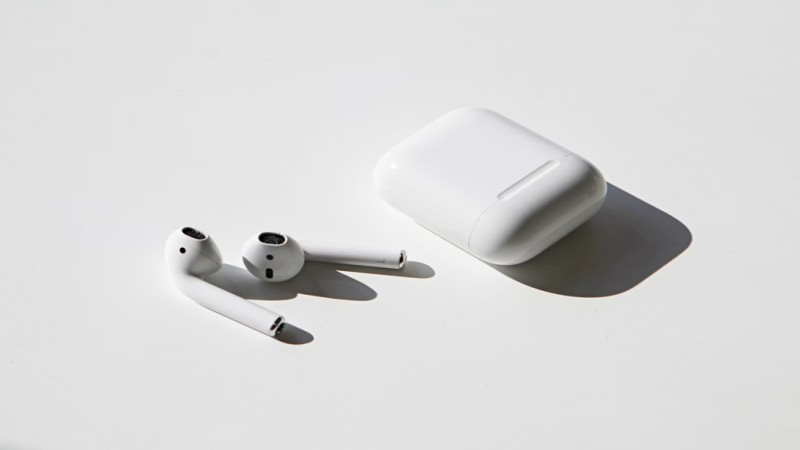
The explosion of wireless earbuds on the market has completely transformed the way we experience audio in today’s digital age. With advancements in technology, Bluetooth earphones have become a staple companion for audiophiles and casual listeners alike. These compact, wire-free devices have ushered in a new era of sound that is both convenient and immersive, relieving users from the constraints of traditional wired headphones.
The Evolution of Earbuds
The journey from bulky over-ear headphones to sleek, wireless earbuds has been remarkable. Initially, earbuds were tethered to devices with wires, creating a messy and cumbersome experience. As technology advanced, the introduction of Bluetooth connectivity alleviated these issues, leading to the birth of truly wireless earphones. Released by prominent brands, these devices quickly gained popularity thanks to their portability and ease of use.
By removing cables, wireless earbuds have made listening more flexible and comfortable. The built-in Bluetooth capabilities enable effortless pairing with smartphones, tablets, and other Bluetooth-enabled devices, broadening the utility across various modern electronics. This seamless integration has made them essential for those who are always on the go.
Features Driving the Popularity
Wireless earbuds today boast a range of features that cater to diverse consumer needs. Features such as noise cancellation, water resistance, and touch controls have enhanced the overall user experience. Each feature aims to address the specific challenges faced by users in different environments, such as noisy commutes or intense workout sessions.
Noise cancellation technology, in particular, allows users to immerse themselves in music or podcasts without being disturbed by ambient noise. Similarly, water-resistant designs have made them reliable companions for fitness enthusiasts who want to enjoy their audio sessions without the fear of damage due to sweat or rain.
Sound Quality and Performance
One of the critical questions regarding wireless earbuds has been whether they can deliver on sound quality. Over the years, significant improvements have been made in this regard. The latest models feature advanced codecs, high-definition audio, and superior acoustic performance, which provide a balanced sound spectrum that satisfies the needs of even discerning audiophiles.
The impressive sound quality is complemented by dependable battery performance. With a charging case often doubling as a portable power bank, users can enjoy extended playback time without worrying about sudden power loss. The quick-charge technology featured in many earbuds ensures that even a short charge can provide hours of listening pleasure.
Design and Ergonomics
The design of wireless earbuds is another crucial factor contributing to their widespread appeal. Manufacturers continue to innovate with ergonomic designs that cater to a variety of ear shapes and sizes, providing comfort during prolonged use. The inclusion of multiple ear tip sizes allows users to personalise their fit, enhancing sound isolation and overall comfort.
From minimalist aesthetics to vibrant colours, the design options available cater to personal style preferences. This element of personalisation has shifted wireless earbuds beyond just functional devices, making them a fashion statement and an everyday accessory.
Connectivity and Compatibility
A significant advancement with wireless earbuds is their ability to maintain stable connections over long distances. With the implementation of newer Bluetooth versions, these devices offer faster pairing times and more reliable connections, reducing annoyance caused by dropouts and lag. Connectivity features also extend to multipoint pairing, allowing users to connect their earbuds to multiple devices simultaneously and switch between them effortlessly.
Compatibility is another area where wireless earbuds excel. They cater to a broad spectrum of devices, whether they run on iOS, Android, Windows, or other operating platforms. Manufacturers have developed companion apps that provide additional customisation and control options for these devices, from adjusting equaliser settings to updating firmware wirelessly.
The Future Outlook
With continuous innovation, the future of wireless earbuds looks promising. Emerging technologies such as augmented reality and artificial intelligence are expected to further enrich the audio experience, offering features such as adaptive sound management and enhanced voice assistance. Integrating health-tracking features into earbuds is another exciting possibility, adding a new dimension to personal health monitoring.
As we await these innovations, the current generation of wireless earbuds continues to offer unprecedented convenience and quality. Whether it’s experiencing high-fidelity audio, tuning out the world with noise cancellation, or enjoying the freedom from wires, wireless earbuds have firmly established themselves as a mainstay in modern audio consumption.
In an era where technology is increasingly focused on enhancing user experience, products like Bluetooth earphones are a testament to how far we have come. With consumer demands continuously pushing the envelope, there is no telling just how far this segment will expand.
Environmental Considerations
As wireless earbuds become ubiquitous, attention has turned to their environmental impact. Many manufacturers are now focusing on sustainability, using recyclable materials and offering recycling programmes for old devices. This shift towards eco-friendliness reflects a broader industry trend, aiming to reduce electronic waste and promote responsible consumption.
Conclusion
Exploring the realm of wireless audio through earbuds reveals an exciting landscape of possibilities. By unlocking a new level of convenience and sound quality, these devices have irrevocably changed how we engage with audio. While challenges like battery disposal and compatibility with non-standard audio codecs remain, the drive for innovation ensures that wireless earbuds will evolve to meet the audio needs of tomorrow’s users. See more