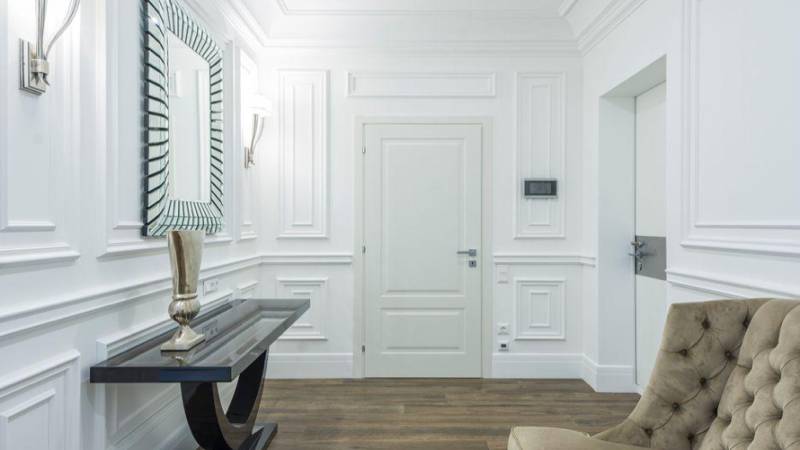
Interior wall panels represent a versatile and aesthetic solution that has gained significant popularity in the design industry. They are employed for a variety of purposes, including improving acoustics, introducing textures, and providing an additional layer of insulation. The interior wall panels offer a plethora of possibilities for enhancing the visual appeal of a space.
Historical Development of Wall Panels
Wall panels can be traced back to centuries-old European architecture, where they were originally used to prevent walls from damage and add to thermal insulation in homes. Wooden panelling became especially prominent during the Elizabethan and Jacobean eras, prominently featuring in stately homes and grand manors. These panels often showcased intricate carvings and dark stains that marked an air of opulence and sophistication.
In modern times, the demand and application of wall panels have expanded beyond their original functional purposes to become a significant element in contemporary design.
Types of Interior Wall Panels
Wood Panels
Wooden panels remain a classic choice because of their natural appeal and robustness. They come in various finishes such as oak, mahogany, and walnut, offering textures that blend seamlessly with traditional and modern interiors alike. The warmth of wood can bring a welcoming atmosphere to spaces, making them a popular choice across both residential and commercial settings.
MDF Panels
Medium-Density Fibreboard (MDF) panels provide a more affordable alternative to solid wood. They are smooth and uniform, making them ideal for painting or veneering. With advancements in technology, MDF panels are now available in various designs, textures, and colours, allowing for a higher level of customisation.
PVC Panels
PVC panels are known for their durability and resistance to moisture, making them suitable for areas like bathrooms and kitchens. They require minimal maintenance and can be manufactured to mimic various textures and patterns such as wood grains or tiles. Their lightweight and easy installation further boosts their appeal for quick home improvement solutions.
Fabric Panels
Primarily used for acoustic purposes, fabric panels reduce noise levels and enhance sound quality in spaces such as theatres, recording studios, and conference rooms. They offer both functional and decorative benefits, coming in an array of fabrics and designs that can complement any aesthetic preference.
Benefits of Using Wall Panels
Interior wall panels come with numerous advantages that extend beyond their visual appeal. One notable benefit is the added insulation they provide, which contributes to the energy efficiency of a building. This is particularly notable with wood and MDF panels, which can help maintain a stable indoor temperature.
Moreover, the installation of interior wall panels is generally straightforward, with many systems designed for do-it-yourself application. This ease of installation reduces labour costs and time, making them a cost-effective solution for interior renovations.
Aesthetic versatility is another key benefit. Wall panels are available in a wide range of styles, colours, and textures, allowing designers to tailor spaces to their specific vision. From sleek, modern designs to more rustic or classic looks, the options with wall panels are virtually limitless.
Considerations in Selecting Wall Panels
Selecting the appropriate wall panels involves evaluating several factors. The environment where the panels will be installed is a primary consideration. For instance, areas exposed to high humidity will benefit from materials like PVC, which are resistant to water-related damage.
Functionality also plays a role in the decision-making process. Acoustic panels are ideal for spaces where sound control is crucial, while textured panels can add depth and interest to flat surfaces.
The maintenance and durability of the material should not be overlooked. While wooden panels offer durability, they may require periodic sealing or polishing to maintain their appearance. Conversely, PVC and MDF panels require minimal upkeep, making them attractive for busy environments.
Impact on Interior Design Trends
Interior wall panels can dramatically alter the perception of space, playing into current design trends. In open-plan areas, panels can define spaces without the need for physical barriers, preserving the flow yet differentiating function-specific zones through varied textures and colours.
In terms of biophilic design, wood panels are often used to bring the outdoors in, contributing to a natural and calming environment. This is particularly prevalent in urban areas where a connection to nature enhances the well-being of inhabitants.
Moreover, the growing focus on sustainable materials has led to increased interest in panels derived from renewable resources, such as bamboo or reclaimed wood. These options align with eco-friendly initiatives, offering environmentally conscious consumers and designers an attractive alternative.
Installation Techniques and Innovations
Traditional wall panel installation required substantial carpentry skills. However, modern innovations have simplified the process significantly. Interlocking systems, adhesive applications, and clip-based fittings enable quicker installation times and reduced costs.
Recent innovations include modular panel systems, which allow for easy updates and changes to designs without extensive labour. This adaptability is particularly beneficial in commercial spaces that require frequent rebranding or seasonal updates.
Some manufacturers are also incorporating digital printing techniques to create custom designs and patterns that would be otherwise difficult to achieve with natural materials, further extending the creative possibilities with wall panels.
In summary, interior wall panels are a versatile design element that combines form and function. With an impressive array of options available, they continue to inspire and facilitate innovative design solutions while contributing practical benefits to the performance of the buildings they inhabit. See more