
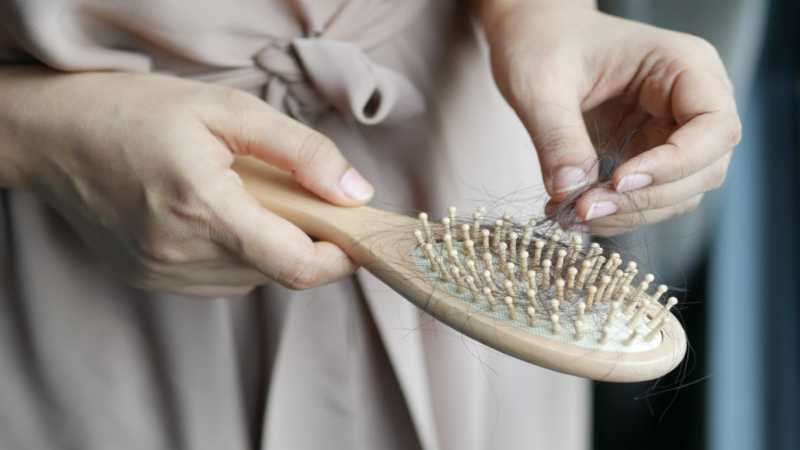
Hair loss gets filed under cosmetic concerns more often than it should. That label misses something important. For a lot of people, losing hair chips away at something much deeper than appearance, it touches identity, confidence, and how comfortable someone feels just existing in a room full of other people. The process rarely moves in a straight line either. It tends to drift from confusion, into frustration, and eventually toward some kind of acceptance, though that last part can take a while to reach.
Physical treatments get plenty of attention in most conversations about hair loss. The emotional side gets skipped over far too often, and that’s a mistake worth correcting.
How Hair Loss Reshapes Self Perception
Hair carries a lot of symbolic weight. It gets tied to youth, beauty, and a sense of individuality that people don’t always notice until it starts slipping away. Once thinning or graying sets in, the reflection in the mirror can start to feel like a stranger’s face rather than a familiar one.
That mismatch between how someone looks and how they still feel inside creates real friction. People often describe feeling older than their actual age, and some genuinely struggle to recognize themselves in photos or mirrors. None of that points to weakness. It’s simply the mind adjusting to a physical change it wasn’t prepared for.
A useful mental shift here is separating identity from appearance. Skills, relationships, and personal history don’t disappear along with hair, even though it might feel that way at first.
Over time, most people naturally start leaning on those other parts of who they are. That reshuffling of self image doesn’t happen overnight, but it does happen.
The Quiet Buildup Of Anxiety
Hair loss has a way of adding pressure to routines that used to be completely mindless. Something as simple as brushing hair in the morning can turn into a small source of dread, because the mirror keeps reflecting a change that feels impossible to reverse.
Self esteem tends to take a hit through comparison, whether that’s against friends, coworkers, or an earlier version of the same person. That comparison habit can spiral fast, since each moment of doubt tends to feed the next one. Some people start obsessing over lighting angles or specific hairstyles that might hide thinning spots, essentially building their day around avoiding notice. Breaking that cycle usually starts with catching the negative thought pattern in the moment and consciously replacing it with something more balanced. Cutting down on media that pushes unrealistic beauty standards helps too, since that kind of content tends to amplify insecurity rather than ease it. Research backs up just how common these feelings are. A multinational study covering men across five European countries found that many men linked hair loss with concerns about losing personal attractiveness, fear of eventual baldness, and worry about aging faster than expected, showing this isn’t a fringe reaction. It’s a widely shared experience that deserves to be taken seriously rather than brushed off as vanity.
Medical And Surgical Paths Worth Knowing About
For people looking for something more permanent than lifestyle tweaks, medical and surgical routes do exist. Options range from topical treatments all the way to detailed surgical restoration handled by trained specialists. Some choose to travel for these procedures, either abroad or to a private clinic closer to home. A growing number of people pursue a professional hair transplant in Australia specifically to address long term density loss rather than just managing the visible symptoms. Results vary depending on the individual case, but these procedures often deliver a psychological lift alongside the physical change. Anyone considering this route should talk to a qualified professional first, set realistic expectations, and think honestly about both emotional readiness and medical suitability before committing to anything permanent.
Social Withdrawal Nobody Talks About
Visible changes in appearance quietly reshape how people show up socially. Avoiding photos becomes common. So does skipping events entirely out of fear that someone might notice or comment. This withdrawal rarely happens on purpose. It usually creeps in gradually, tied to a slow erosion of confidence rather than a single decision to pull away. Someone might start relying heavily on hats or specific hairstyles just to feel presentable, and loved ones often notice the change in behavior without fully understanding what’s driving it. Reconnecting socially usually takes repeated, low pressure exposure rather than one dramatic reintroduction. Talking openly with understanding people tends to ease the embarrassment faster than trying to push through it alone.
Building A Real Coping Strategy
Coping starts with actually naming the emotions involved instead of pushing them down. Talking openly with someone trustworthy cuts down on the isolation that so often accompanies hair loss. Counseling can genuinely help here too, particularly for people struggling to adjust to a changed sense of self. Small routine actions matter more than they might seem to on the surface, things like a consistent scalp care habit or experimenting with a new hairstyle can restore a sense of control that hair loss tends to strip away. Relaxation techniques and regular movement support emotional steadiness as well, mostly by keeping stress levels from compounding on top of an already difficult adjustment. Consistency wins out over chasing quick fixes almost every time. A handful of small, repeated positive actions tend to add up to more meaningful change than any single dramatic intervention.
Rebuilding Confidence For The Long Run
Long term adjustment involves more than managing the physical symptoms. It means rebuilding a coherent sense of identity that isn’t entirely dependent on appearance.
Acceptance shouldn’t be confused with giving up. It’s really about weaving the change into a broader personal story rather than letting it define the whole narrative. Many people find real strength in focusing on parts of themselves that hair loss can’t touch, accomplishments, relationships, and skills built over years.
Experimenting with style, whether through a new haircut or a different wardrobe, can also help shift the emotional tone of the experience. Emotional reactions tend to soften with time, and most people eventually reach a more balanced, objective view of what’s happened. Confidence often returns once someone recognizes just how well they’ve actually handled the change.
Hair loss touches far more than physical appearance. It reaches into emotion, behavior, and the way someone sees themselves day to day. The experience can feel isolating at times, but it remains common and, importantly, manageable. With honest awareness of the emotional side, a solid support system, and the right treatment path when needed, regaining a sense of control is entirely realistic. Adapting well simply means moving forward without losing sight of overall wellbeing along the way. See more