
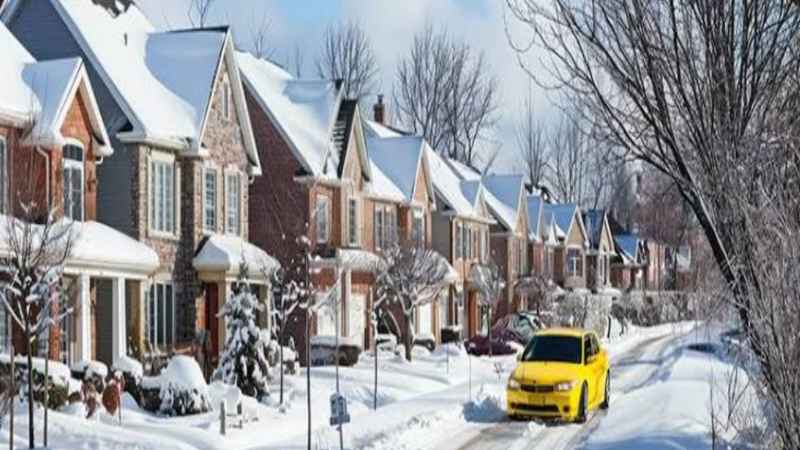
A Toronto winter finds every weakness a home has. The gap around a door that felt minor in October becomes a draft and a heating bill in January. The outdoor faucet nobody drained becomes a burst pipe inside the wall at the first hard freeze. The exhaust fan that was quietly failing becomes condensation and mould once the windows stay shut for four months. Winterizing is not a big project — it is a short checklist of small jobs done at the right time, and the right time is autumn, before the cold arrives. This guide covers the handyman winterization checklist for a Toronto home and why the six weeks before winter are the most valuable maintenance window of the year.
The economics of winterizing are lopsided in the homeowner’s favour: a few hundred dollars of preventive work in October routinely saves thousands in freeze damage, heat loss, and moisture problems over the winter. The homeowners who avoid the worst winter surprises book dependable professional handyman toronto help in the autumn window, folding the whole checklist into one visit before the first freeze rather than dealing with the failures one emergency at a time in January.
Seal the drafts: weatherstripping and door seals
The single highest-value winterization job is sealing the gaps where heated air escapes and cold air enters. Over a summer of humidity and the previous winter’s thermal stress, weatherstripping around exterior doors compresses, hardens, and cracks — and by autumn, most doors have at least one seal no longer making full contact. Replacing compressed weatherstripping, adjusting doors that no longer close tightly, and sealing the gaps around the frame is an hour or less per door and pays for itself in a single heating season through reduced heat loss. The same applies to the garage-to-interior door and any drafty windows.
Protect the plumbing: outdoor faucets and exposed pipes
Frost-damaged outdoor faucets are one of the most expensive avoidable winter disasters, because the damage often happens inside the wall where the pipe runs to the exterior. Before the first freeze, outdoor faucets need to be shut off at the interior valve and drained, and any hose bib that already drips or runs at low pressure addressed. Exposed pipes in unheated spaces — a garage, a crawlspace, an exterior wall — may need insulation. A frost-burst pipe discovered in spring means drywall, insulation, and real repair cost, all preventable with a ten-minute autumn task per faucet.
The garage door bottom seal
Garage doors take a winter’s worth of salt, gravel, and thermal cycling, and the bottom seal is usually the first thing to fail. By autumn, a seal that no longer presses fully to the concrete lets cold air, water, and pests into the garage through the coldest months — and into the interior through the shared wall. The seal is an inexpensive part; replacing it before winter, along with a check of the door hardware, is a standard handyman job that keeps the garage and the rooms above it warmer.
Exterior caulking before the freeze
Caulking around windows, exterior trim, and where different materials meet is what keeps water out of the building envelope — and Toronto’s freeze-thaw cycle is brutal on it. Water gets into a small crack, freezes, expands, widens the gap, and repeats dozens of times over a winter until a minor crack becomes a real entry point. Autumn is the time to walk the exterior, find the cracked or pulled-away caulking, and reseal before the first freeze. The work is cheap; the water damage it prevents is not.
Interior air quality: exhaust fans and humidity
Winter is when a home is sealed tightest, which makes interior ventilation matter most. A failing bathroom exhaust fan that goes unnoticed in summer becomes a mould and condensation problem in winter, when windows stay shut and warm humid air has nowhere to go. Autumn is the time to test the exhaust fans and replace any that no longer move adequate air, before the sealed-up months turn a weak fan into a visible moisture problem on the ceiling.
Stairs, railings, and ice safety
Exterior stairs, railings, and walkways that loosened over the summer become genuine hazards once covered in ice. Autumn is the time to reset loose deck boards, tighten railings and balusters, and confirm exterior stair treads are solid before winter makes any weakness dangerous. A loose handrail on an icy step is a real risk through the Toronto winter, and the fix is a quick one done before the ice arrives.
The bottom line
Winterizing a Toronto home is a short checklist of small jobs that all share one thing: they must be done in autumn, before the cold, to work. Sealing drafts with fresh weatherstripping, draining and protecting outdoor faucets, replacing the garage door seal, re-caulking the exterior before the freeze, testing exhaust fans before the sealed-up months, and securing exterior stairs and railings before the ice. Folded into a single handyman visit in the September-to-October window, the whole checklist is a few hours of work — and it is the cheapest insurance a Toronto home buys all year, turning the winter from a season of expensive surprises into one the home is simply ready for. See more