Comfort at home often comes at a cost. Rising energy bills, uneven temperatures, and systems that struggle to keep up can turn everyday living into a constant adjustment. Many homeowners assume that improving comfort means using more power, but that isn’t always true. Smart upgrades can lower energy use while making your home feel better year-round. The key lies in knowing which changes actually matter and when they make sense.
Small inefficiencies tend to build over time. Old systems work harder than they should. Outdated fixtures waste power without delivering real benefits. Addressing these issues doesn’t require a full remodel, but it does require informed decisions.
So, what are some of the best upgrades that can help you reduce energy use while creating a more comfortable, reliable living space? That’s what this article is here to talk about.
Let’s get started.
Start With an Energy Reality Check
Before making any upgrades, it helps to understand how your home actually uses energy. Many comfort issues come from small inefficiencies that build up over time. High utility bills, rooms that never feel quite right, or systems that run constantly all point to energy slipping away. Reviewing past energy bills can reveal patterns, especially seasonal spikes that suggest heating or insulation problems. Walking through your home with a practical eye also helps. Drafty areas, temperature swings, and noisy equipment often signal where energy loss starts. When you know where the problems are, you avoid spending money on upgrades that won’t fix the real issue.
Upgrade Your Heating System
Heating systems don’t fail overnight. They usually lose efficiency first, then reliability. Do you have to make frequent repairs? Do some rooms stay cold while others overheat? If the answer to both these questions is ‘yes’, the system isn’t working as it should. These are some signs your heating system should be replaced.
Older units use more energy to produce less comfort, which shows up quickly on monthly bills. Replacing an aging system can lower energy use while improving indoor comfort at the same time. Modern systems regulate heat better and avoid the constant cycling that wastes power. Professional installation matters just as much as the equipment itself. Experts size the system correctly and ensure proper airflow, which protects efficiency from day one.
Improve Insulation to Keep Comfort Where It Belongs
Insulation plays a quiet but critical role in comfort. Without it, heated air escapes in winter and unwanted heat enters in warmer months. This forces heating systems to run longer than necessary. Attics, walls, and crawl spaces tend to cause the most trouble when insulation falls short. Improving insulation stabilizes indoor temperatures and reduces how often your system needs to turn on. Homes with proper insulation feel more consistent from room to room. Energy savings follow naturally because the system doesn’t fight constant heat loss. Insulation upgrades also last for decades, making them one of the most reliable ways to reduce long-term energy use.
Seal Air Leaks That Quietly Drain Energy
Air leaks often go unnoticed, yet they undermine comfort every day. Gaps around windows, doors, and ductwork allow conditioned air to escape while pulling outside air inside. This creates drafts and uneven temperatures that no thermostat can fix. Sealing these openings improves comfort almost immediately. Simple improvements like weather stripping and proper duct sealing can reduce strain on heating systems. When air stays where it should, your home holds temperature longer and uses less power to maintain comfort.
Choose Energy-Efficient Windows Without Overdoing It
Windows influence both comfort and energy use, but replacement only makes sense in certain cases. Old or damaged windows often allow heat transfer that affects indoor temperature. Modern energy-efficient windows reduce this exchange and help maintain a stable environment. However, not every home needs a full replacement right away. Targeting the worst-performing windows first often delivers better results. The right choice balances insulation, sunlight, and cost without sacrificing comfort.
Upgrade Lighting for Comfort and Control
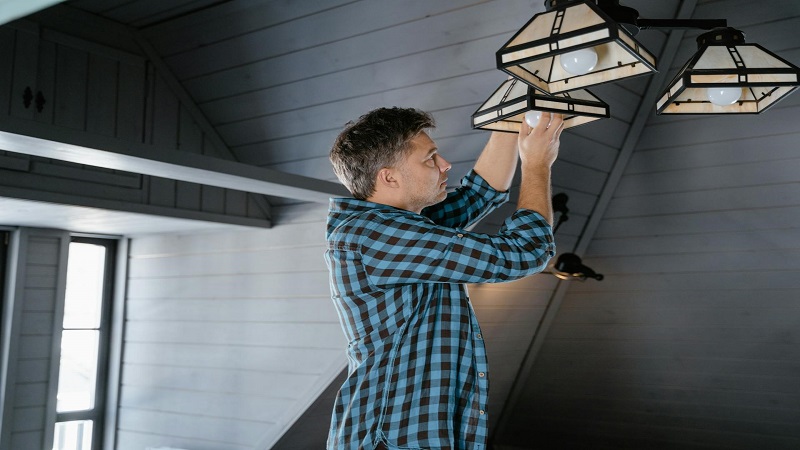
Lighting affects more than visibility. It shapes how comfortable a space feels and how much energy your home uses each day. Older bulbs convert much of their energy into heat rather than light, which increases power use without improving comfort. Efficient lighting options reduce energy demand while producing steady, natural-looking light. They also stay cooler, which helps maintain indoor temperatures, especially in rooms used for long hours. Thoughtful placement matters as much as the fixtures themselves. When lighting supports daily routines instead of overpowering them, rooms feel easier to live in and less wasteful to operate.
Use Smart Thermostats to Match Real-Life Habits
Heating systems often waste energy because they run on outdated schedules. Smart thermostats solve this by adjusting temperatures based on actual use patterns. They reduce heating when no one is home and restore comfort before residents return. This approach lowers energy use without creating discomfort. Over time, these small adjustments make a noticeable difference.
But energy savings and reduced bills aren’t the only benefits. Rooms feel more consistent, and temperature swings become less common. When comfort follows real habits, the system works less and delivers more.
Replace Old Appliances That Consume More Than They Deliver
Appliances work quietly in the background, yet outdated models can use far more energy than necessary. Older units often run longer cycles and struggle to perform basic tasks efficiently. Newer models complete the same work using less power and generating less heat. This reduces strain on heating systems and improves overall comfort. Replacing the most inefficient appliances first often delivers immediate benefits. Kitchens and laundry areas feel more stable in temperature, and energy use drops without requiring lifestyle changes. Efficiency improves without sacrificing convenience.
Improve Ventilation Without Losing Efficiency
Proper ventilation supports comfort by maintaining air quality, but poor systems can undo efficiency gains. Uncontrolled airflow lets warm air escape while pulling in colder outside air. This forces heating systems to compensate. Balanced ventilation manages fresh air without disrupting indoor temperature. When airflow stays controlled, rooms feel healthier and more comfortable. Efficient ventilation also reduces moisture buildup, which supports long-term comfort and protects building materials. The goal isn’t more airflow, but smarter airflow that works with your heating system instead of against it.
Comfort and efficiency aren’t competing goals. Homes respond to consistent care and thoughtful improvements, not rushed upgrades or quick fixes. Each decision shapes how energy flows through the space and how the home supports daily life. When efficiency becomes part of the design rather than an afterthought, comfort feels natural instead of forced. The result is a home that adapts to your needs while using less energy to do it. See more