
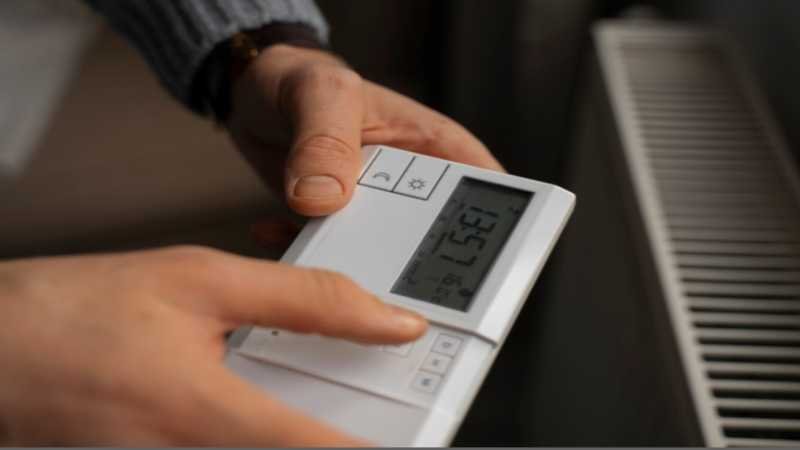
Keeping your home warm while managing energy costs is an important concern for many homeowners. A furnace that uses more fuel than needed can increase monthly bills, especially during colder months. However, choosing a new heating system involves more than comparing prices or picking a model with a high efficiency rating.
A high-efficiency gas furnace can help reduce fuel waste by converting more of the gas it uses into usable heat. Features such as AFUE ratings, heating stages, and blower technology also matter when comparing models.
To make your search easier, this guide features seven high-efficiency gas furnaces with different capacities, designs, and performance features.
Comfort-Aire 97% AFUE 45,000 BTU Two-Stage Upflow/Horizontal Gas Furnace – Variable Speed, 3-Ton Blower, 17.5 in. Cabinet
For homes with lower heating demands, the Comfort-Aire model combines a 97% AFUE rating with a 45,000 BTU input capacity. It is one option to compare when choosing a gas furnace for a smaller or moderately sized space. Its two-stage heating system can operate at a lower or higher output depending on demand, giving it more flexibility than a single-stage unit.
A variable-speed blower supports more controlled airflow, while the upflow and horizontal installation options provide flexibility for different ductwork layouts. The 17.5-inch cabinet may also suit installations with limited clearance.
Key Specifications:
- AFUE Rating: 97%
- Heating Input: 45,000 BTU/h
- Heating Stages: Two-stage
- Blower: Variable-speed, 3-ton
- Installation Configuration: Upflow and horizontal
- Cabinet Width: 17.5 inches
- Century 96% AFUE 110,000 BTU Single-Stage Downflow Gas Furnace – ECM Constant Torque, 5-Ton Blower, 21.5 in. Cabinet
With a 110,000 BTU input capacity, this Century furnace is designed for homes with higher heating requirements. Its 96% AFUE rating means it converts a large share of the fuel it consumes into usable heat. The single-stage system operates at one heating level when the furnace runs, making its operation straightforward.
An ECM constant-torque blower helps maintain controlled airflow through the duct system. The downflow configuration is another important detail, as it suits installations where heated air needs to move downward. Its 21.5-inch cabinet should also be considered when checking the available installation space.
Key Specifications:
- AFUE Rating: 96%
- Heating Input: 110,000 BTU/h
- Heating Stages: Single-stage
- Blower: ECM constant-torque, 5-ton
- Installation Configuration: Downflow
- Cabinet Width: 21.5 inches
- Infinity® 98 Gas Furnace by Carrier
Carrier’s Infinity® 98 stands out for its high efficiency and modulating heating technology. With an AFUE rating of up to 98.5%, it converts nearly all the fuel it uses into heat. When paired with a compatible Infinity System Control, its modulating gas valve can adjust output in 1% increments based on the home’s heating demand.
The variable-speed blower also improves air conditioning and summer dehumidification, extending the system’s comfort benefits beyond the heating season.
Key Specifications:
- AFUE Rating: Up to 98.5%
- Heating Capacity: Available in multiple sizes
- Heating Stages: Modulating
- Blower: Variable-speed
- Fuel Type: Natural gas
- Control Compatibility: Infinity System Control
- SLP99V Variable-Capacity Gas Furnace by Lennox
The Lennox SLP99V is designed for homeowners who place a high priority on fuel efficiency. Its AFUE rating reaches up to 99%, allowing it to convert a very high percentage of the gas it consumes into usable heat. Its variable-capacity operation adjusts heating output to match demand, while Precise Comfort® technology helps maintain consistent indoor temperatures.
This furnace also features variable-speed operation to reduce operating noise. Its connection with the Lennox S40 Smart Thermostat provides additional control and system monitoring.
Key Specifications:
- AFUE Rating: Up to 99%
- Heating Capacity: Varies by model configuration
- Heating Operation: Variable-capacity
- Motor: Variable-speed
- Additional Features: Precise Comfort® technology and smart thermostat compatibility
- Certification: ENERGY STAR® qualified
- 97 Two-Stage Variable Speed Gas Furnace by Trane
Trane combines a 97% AFUE rating with two-stage heating in this furnace. Its gas valve operates on the lower setting as often as possible, helping provide more even temperatures throughout the home. The variable-speed airflow also delivers a steady flow of warm air for consistent comfort.
The furnace includes Comfort-R™ technology, which helps control humidity during summer months. Its variable-speed operation also supports quieter performance.
Key Specifications:
- AFUE Rating: 97%
- Heating Stages: Two-stage
- Airflow: Variable-speed
- Humidity Control: Comfort-R™ technology
- PREFERRED™ 97 TWO STAGE GAS FURNACE by Bryant
Bryant’s Preferred™ 97 combines a 97% AFUE rating with a two-stage heating system. Its variable 25-speed constant-torque ECM blower supports controlled airflow and quieter operation. The two-stage design also allows longer heating cycles on low stage for more consistent comfort.
The unit includes Perfect Heat™ technology, which adjusts system operation to changing conditions. SmartEvap™ provides additional summer dehumidification when used with compatible air-conditioning equipment. Its four-way multiposition design also supports different installation layouts.
Key Specifications:
- AFUE Rating: Up to 97%
- Heating Capacity: 60,000–120,000 BTU/h
- Heating Stages: Two-stage
- Blower: Variable 25-speed, constant-torque ECM
- Installation Configuration: Four-way multiposition
- Warranty: Limited lifetime heat exchanger and 10-year parts coverage with timely registration; terms apply
- R97MV Endeavor™ Line Prestige Series Gas Furnace by Rheem
Rheem’s R97MV combines a 97% AFUE rating with modulating heating. Its gas valve adjusts output from 40% to 100% to respond to changing heating demands. The variable-speed motor also supports steady airflow and humidity control.
The furnace is EcoNet enabled and features an insulated cabinet for quieter operation. Its downflow and horizontal configuration options provide flexibility when planning an installation.
Key Specifications:
- AFUE Rating: 97%
- Heating Capacity: 96,000 BTU/h nominal
- Heating Stages: Modulating, 40%–100%
- Motor: Variable-speed
- Installation Configuration: Downflow and horizontal
- Cabinet Width: 21 inches
- Warranty: 10-year limited parts, limited lifetime heat exchanger, and conditional limited lifetime unit replacement coverage with registration
How to Choose the Right High-Efficiency Gas Furnace
Compare these key features to understand what sets high-efficiency gas furnaces apart and which specifications matter most:
- AFUE Rating: A higher rating means more fuel is converted into usable heat.
- Heating Capacity: Compare BTU ratings and consult an HVAC professional about your home’s heating requirements.
- Heating Stages: Compare single-stage, two-stage, and modulating systems for heating control.
- Blower Type: Check whether a variable-speed or constant-CFM motor suits your ductwork and comfort requirements.
- Installation Configuration: Match the furnace’s upflow, downflow, or horizontal design to your home’s layout.
- Warranty and Service: Review coverage terms, registration requirements, and local service availability.
Conclusion
Choosing a high-efficiency gas furnace involves more than looking for the highest AFUE rating. The seven models above offer different capacities, heating systems, and installation options, so compare their features with your home’s requirements.
Before making a decision, ask a qualified HVAC professional to assess your home’s heating load and existing ductwork. A proper assessment can help you select a correctly sized furnace that supports indoor comfort and efficient fuel use. See more