
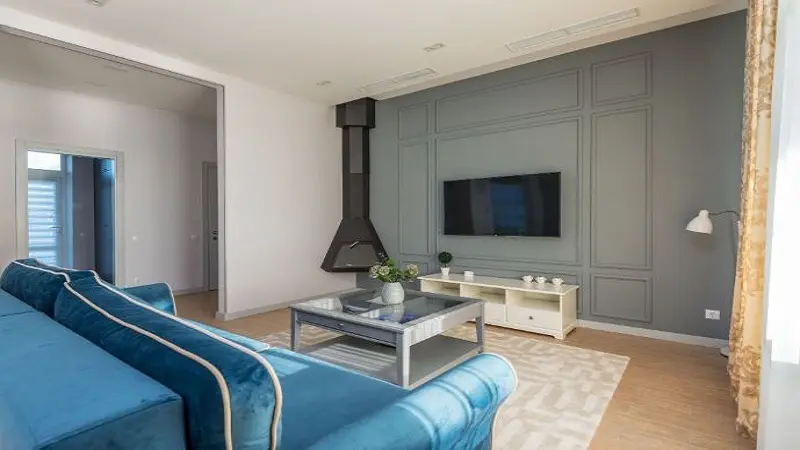
Most modern living rooms fall into one of two common traps. They either look incredibly sleek but feel too cold to relax in, or they prioritize comfort so heavily that they become chaotic and overstuffed. Finding the middle ground requires more than just buying a soft sofa.
Creating a genuinely inviting space takes intentional layering, practical furniture choices, and an understanding of how materials interact with light. You want a room that handles the daily realities of family life, remote controls, and spilled drinks, while still looking like a cohesive, well-planned sanctuary.
Here are the practical styling rules for building a living room that feels warm, considered, and deeply comfortable.
Start with a foundation of generous, textured textiles
Hard floors are practical, but they bounce sound around the room and make spaces feel visually stark. To fix this, you need to introduce large-scale textiles that absorb noise and soften the architecture of the room.
The biggest mistake people make is buying a rug that is too small. A 160x230cm rug usually looks like a floating island in the middle of a standard Australian living room. You want a rug large enough that the front legs of every piece of seating rest on it. Upgrading to a 200x300cm or even a 300x400cm size immediately pulls the furniture together into a single, cohesive zone.
When choosing materials, prioritize texture over complex patterns. Hand-tufted wool, natural jute, or heavy flatweaves add physical depth to the floor. If you have pets or young children, washable rugs made from 100% recycled PET offer the visual warmth of wool but handle heavy wear and tear without stress.
Finish the room’s perimeter with sheer curtains installed close to the ceiling. Even if you have blinds for privacy, adding floor-to-ceiling fabric softens the hard edges of window frames and diffuses harsh afternoon sunlight.
Swap harsh overheads for low-level ambient lighting
Bright, downward-facing ceiling lights completely destroy the mood of a living room. Downlights are useful for cleaning or finding lost keys, but they create harsh shadows and make spaces feel clinical during the evening.
“A living room only feels truly inviting when the lighting comes from eye level, rather than from above,” says interior architect Elena Costa. “You need multiple light sources spread across the room to create a soft, glowing perimeter.”
To fix your lighting scheme, turn off the ceiling grid and rely entirely on lamps. Place a tall floor lamp in a dark corner to draw the eye outward and make the room feel larger. Add a small, heavy ceramic table lamp to a sideboard or console.
Pay close attention to bulb temperatures. Always check the packaging and buy bulbs rated between 2700K and 3000K. This range mimics the warm, amber glow of late afternoon sun. Anything rated 4000K or higher produces a cool, blue-toned light that belongs in an office, not a home.
Anchor the space with a strong, functional center point
Every seating arrangement needs a grounding element. This central piece dictates how people move through the room, where they put their drinks, and how the surrounding sofas and armchairs visually connect.
A well-proportioned coffee table anchors the entire layout and provides necessary weight to the center of the floor. For homeowners drawn to the Mediterranean aesthetic, Kave Home Australia designs pieces that perfectly balance this visual weight with everyday practicality.
When selecting your center table, look for materials that introduce organic warmth. Solid oak, rich mango wood, or textured concrete bring nature indoors and age beautifully over time. If your room features a lot of sharp, rectangular shapes—like a square rug, a standard three-seater sofa, and a blocky TV unit—choose a table with a round or organic oval shape. The curved edges soften the hard lines of the room and make it much easier to walk around the furniture in tight spaces.
Pull your furniture away from the walls
People instinctively push their sofas flat against the wall to maximize floor space. In reality, this creates a vast, empty void in the middle of the room and makes the layout feel like a waiting area rather than a home.
Pulling your seating inward by just 30 to 50 centimeters completely changes the dynamic of the room. It creates a tighter, more intimate conversation zone. Leaving a small walkway behind a sofa allows the architecture of the room to breathe and creates a more interesting, multi-layered visual depth.
For open-plan living and dining spaces, the back of a modular sofa is an excellent physical divider. It clearly signals where the kitchen ends and the relaxation zone begins without the need for structural walls.
Embrace organic materials and Mediterranean warmth
Cozy spaces do not require heavy, dark colors. You can create a deeply warm room using a completely neutral palette, provided you mix your materials correctly.
The Mediterranean design philosophy excels at this. It relies on a blend of raw, earthy textures rather than loud patterns or glossy, manufactured finishes. To achieve this look, avoid high-gloss plastics and reflective metals. Instead, focus on matte, organic surfaces:
- Solid timber: Look for FSC-certified teak, walnut, or ash for your sideboards and shelving. Wood grain naturally breaks up flat, boring surfaces.
- Tactile upholstery: Mix a smooth leather armchair with a heavily textured bouclé or linen sofa. The contrast makes both pieces stand out.
- Earthy ceramics: Use terracotta, raw clay, or brushed concrete for planters and decorative bowls.
These materials have minor imperfections and natural color variations. Those imperfections are exactly what make a room feel human and relaxed.
Style for actual living, not a magazine cover
A room only feels cozy when you can actually use it. If every surface is covered in delicate ornaments and perfectly stacked books, guests will feel too nervous to sit down.
When styling your surfaces, follow a few practical boundaries to keep the clutter manageable:
- Use trays to organize the chaos: Group your television remotes, coasters, and matches on a single timber or brass tray. It makes everyday clutter look like a deliberate arrangement.
- Limit surface decor to three items: On your main tables, stick to a stack of two large books, a catch-all bowl, and a vase. Leave the rest of the surface clear for coffee cups and laptops.
- Include living elements: Add at least one real plant or a few branches in a vase. Greenery brings immediate life into static rooms.
Designing a welcoming living room is about balancing structure with softness. By investing in generous textiles, switching to warm lighting, and grounding the space with beautifully crafted natural furniture, you build a room that looks sophisticated but remains totally built for real life. See more