
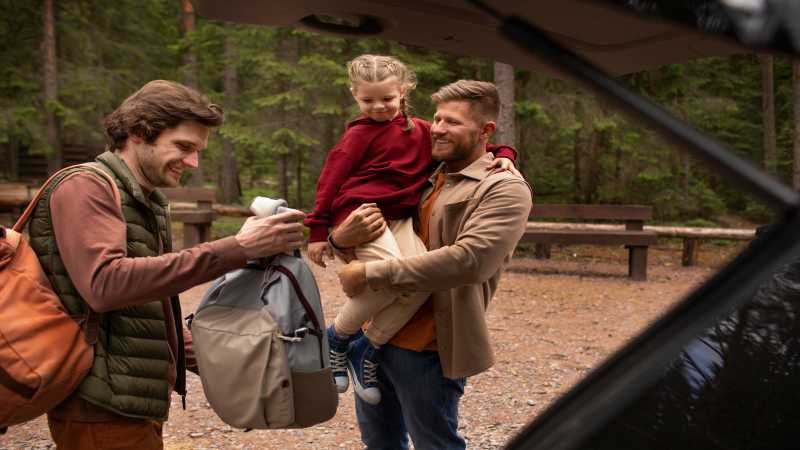
Australia is currently experiencing a massive boom in domestic travel. In recent years, domestic caravan and camping trips have soared, hitting record numbers across the country. Families are leading this charge, seeking affordable and adventurous holiday alternatives amidst rising living costs. Taking the family 4×4 off the beaten path is an incredible way to build memories, but venturing into remote areas requires careful preparation to keep everyone safe and comfortable.
Unplugging and Reconnecting in Nature
One of the greatest advantages of taking your children off-grid is the chance to completely disconnect from screens. Without the constant hum of televisions and tablets, families are encouraged to engage with their surroundings and each other. According to research from the Australian Institute of Family Studies, parents and children being outside together provides space away from everyday stressors and electronic devices. This shift in environment makes it significantly easier to enjoy relaxed conversation, foster emotional connection, and strengthen parent-child relationships as you work together as a team to set up camp. Pitching the tent and gathering firewood become shared activities rather than chores.
Packing Smart and Staying Within Legal Limits
When loading up the dual-cab ute for a weekend in the bush, many parents underestimate how quickly the weight adds up. A vehicle’s Gross Vehicle Mass (GVM) is a strict legal limit that includes the kerb weight, passengers, fuel, and all your cargo. For popular family vehicles, a typical payload limit of around 1,100 kg can be exhausted incredibly fast once you factor in bullbars, full water tanks, and heavy traditional touring gear. Exceeding this limit can compromise downhill braking efficiency, increase suspension wear, and even void your insurance policy entirely.
To avoid overloading, modern families are moving away from heavy steel trays. Instead, upgrading to lightweight aluminium storage solutions, like a custom Toyota canopy Hilux setup, has become a critical strategy for weight management. This type of organisation allows parents to securely store bulky items like prams, camping chairs, and food supplies without adding unnecessary bulk. It protects your valuable gear from harsh weather and outback dust while safely preserving the vehicle’s legal payload capacity for the long journey home.
Keeping the Power On While Off-Grid
Going off-grid does not mean you have to sacrifice all modern comforts, especially when travelling with young children. Keeping your camping fridge running for fresh milk and ensuring your emergency devices remain charged is essential for a stress-free trip. Instead of relying on noisy petrol generators that disrupt the peaceful bush environment, many parents are turning to 12-volt solar setups and portable lithium batteries. If you are looking to upgrade your own setup, browsing through our parenting and lifestyle articles can provide more tips on balancing family comfort with outdoor adventure. Having a reliable power source ensures that the kids have cold water and you have your morning coffee, making the entire experience much more enjoyable.
Essential Upgrades for a Stress-Free Trip
Prepping your 4×4 for remote travel goes beyond just packing the right clothes and snacks. To ensure your family stays safe and comfortable on unsealed roads, consider these important vehicle checks and upgrades before you head out:
- Safety Technology: Newer dual-cab models prioritise family safety with features like cabin detection alert systems. These are designed to prevent exhausted parents from accidentally leaving small children or pets in the back seat after a long day of driving.
- Water Storage: Always carry more water than you think you will need. Integrated under-tray water tanks keep the weight low and ensure you have plenty of drinking and washing water for sticky hands.
- First Aid and Communication: Off-grid camping means limited mobile reception. Pack a comprehensive, heavy-duty first aid kit and consider investing in a satellite messenger device for emergencies.
- Weight Distribution: Pack heavy items low and as close to the vehicle’s axles as possible to maintain stability on corrugated dirt tracks.
Taking the family 4×4 on an off-grid adventure is one of the most rewarding ways to explore regional Australia. By understanding your vehicle’s payload limits, investing in smart storage, and embracing the simplicity of nature, you can create a safe and unforgettable holiday. Preparation is the key to minimising stress, leaving you free to focus on spending quality time with your kids under the bright Australian sky. See more