
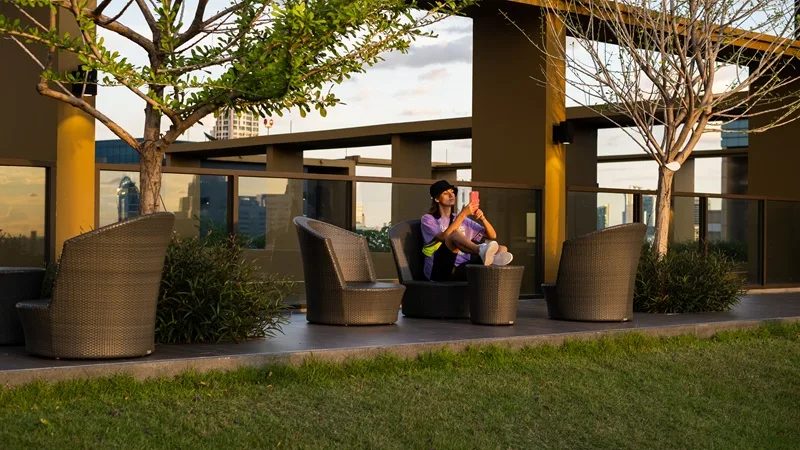
Why keep indoor and outdoor spaces separate when Arizona’s climate allows both to be used almost year-round? Homeowners are increasingly rethinking how their homes function, prioritizing comfort, flexibility, and a stronger connection to the outdoors. Instead of treating patios and yards as occasional-use areas, they are becoming extensions of everyday living. Smart remodeling plays a key role in making this shift practical, not just visually appealing. By combining thoughtful design with efficient systems and durable materials, homes can feel more open, more usable, and better suited to the environment.
Why Arizona Homes Are Perfect for Indoor–Outdoor Living
Arizona’s climate makes indoor–outdoor living feel natural rather than forced. With long stretches of sunny days and relatively mild winters, outdoor areas can be used far more often than in many other regions. Homeowners are not just building patios for occasional use; they are designing spaces meant to be used daily. These consistent usability changes how people think about their homes as a whole.
The surrounding desert landscape also plays a role in shaping these spaces. Natural tones, open views, and a connection to the environment influence design choices inside and outside the home. Many homeowners prioritize layouts that frame outdoor scenery rather than block it. This approach turns outdoor areas into extensions of the living space instead of separate zones.
What Smart Remodeling Actually Looks Like Today
Smart remodeling today goes beyond adding new finishes or upgrading fixtures. It focuses on how spaces function over time and how easily they adapt to changing needs. Homeowners are looking for designs that make everyday life simpler, more comfortable, and more efficient. Technology supports these goals but does not replace thoughtful planning.
At the same time, durability and efficiency are becoming just as important as appearance. Materials, layouts, and systems are selected with long-term performance in mind. This is especially important in Arizona, where heat and sun exposure can quickly wear down poorly chosen elements. Smart remodeling balances style with practicality to create spaces that last.
Making the Transition Feel Effortless
A key goal of indoor–outdoor design is to remove the feeling of separation between spaces. Open floor plans that lead directly into outdoor areas feel natural and intuitive. When doors are opened, the boundary between inside and outside becomes almost invisible. This creates a more flexible living environment that adapts to different situations.
Design consistency also plays a major role in achieving this effect. Using similar flooring, colors, and textures across both spaces helps everything feel connected. Updates such as kitchen cabinet remodeling can help align indoor aesthetics with outdoor design elements, creating a more cohesive visual flow. Even small details, like aligning ceiling heights or extending visual lines, can make a noticeable difference. The result is a home that feels larger and more cohesive without adding square footage.
Turning Outdoor Areas Into True Living Spaces
Outdoor spaces are no longer treated as secondary or seasonal areas. Instead, they are being designed with the same level of care as indoor rooms. Fully functional kitchens, dining areas, and seating zones make it possible to cook, eat, and relax outside comfortably. This shift changes how often these spaces are used and how valuable they become.
Comfort is a major factor in making outdoor areas feel like real living spaces. Shade structures, proper lighting, and weather-appropriate features allow people to use these areas throughout the day and into the evening. Thoughtful layouts also help create a sense of privacy and enclosure without blocking airflow. These elements work together to make outdoor living practical, not just appealing.
How Smart Features Elevate Everyday Living
Technology is playing a larger role in how indoor and outdoor spaces function together. Automated lighting and shading systems allow homeowners to adjust their environment quickly based on time of day or weather conditions. This level of control makes outdoor spaces more comfortable without requiring constant manual effort. It also helps improve overall energy efficiency.
Entertainment and connectivity have also expanded into outdoor areas. Integrated audio systems and easy access to digital controls make it simple to use these spaces for gatherings or quiet evenings. At the same time, smart irrigation systems help maintain landscaping without wasting water. These features support convenience while addressing practical concerns like maintenance and resource use.
Staying Cool and Efficient in the Arizona Heat
Managing heat is one of the most important aspects of indoor–outdoor living in Arizona. Energy-efficient windows, proper insulation, and strategic shading help reduce heat transfer between spaces. These elements keep interiors cooler while making adjacent outdoor areas more comfortable. Without them, the transition between spaces can feel abrupt and unpleasant.
Passive cooling strategies also play a significant role in overall comfort. Thoughtful orientation, ventilation, and the use of shade can reduce reliance on mechanical cooling systems. Solar energy is often incorporated to offset energy use, especially in homes with larger open designs. Together, these approaches create a more sustainable and cost-effective living environment.
Choosing Materials That Can Handle the Desert Climate
Material selection has a direct impact on how well a space performs over time. In Arizona, surfaces must withstand intense sun exposure, high temperatures, and occasional dust or debris. Heat-resistant and UV-stable materials help prevent fading, cracking, and long-term damage. Choosing the right materials reduces maintenance and extends the life of the design.
At the same time, homeowners are looking for materials that offer both durability and visual appeal. Natural elements like stone and treated wood are often used to create a grounded, cohesive look. Metals and other modern finishes can add contrast while still holding up under harsh conditions. The goal is to find a balance between resilience and style.
How Indoor–Outdoor Design Can Boost Your Home’s Value
Homes that successfully integrate indoor and outdoor spaces often stand out in the market. Buyers are increasingly looking for properties that offer more usable living space without major structural expansions. Well-designed outdoor areas provide that extra functionality in a way that feels natural. This makes the home more appealing to a wider range of buyers.
Certain upgrades tend to deliver stronger returns than others. Functional kitchens, comfortable seating areas, and seamless transitions between spaces are often seen as high-value features. These elements signal that the home has been thoughtfully designed rather than simply updated. As a result, they can positively influence both perceived value and resale potential.
Mistakes That Can Ruin the Indoor–Outdoor Experience
One of the most common mistakes is failing to account for sun exposure and heat. Without proper shading and orientation, outdoor spaces can become uncomfortable during peak hours. This limits how often they are used and reduces their overall value. Planning for these factors early in the design process is essential.
Another issue is overlooking environmental conditions like wind and privacy. Poorly positioned seating areas or open layouts can make spaces feel exposed rather than inviting. In addition, using materials that are not suited for the climate can lead to frequent repairs or replacements. These missteps can turn a well-intentioned design into a long-term frustration.
Where Indoor–Outdoor Living Is Headed Next
Indoor–outdoor living is continuing to evolve as homeowners look for more flexibility in how they use their space. Multi-purpose areas that can adapt to different activities are becoming more common. These spaces are designed to handle everything from quiet relaxation to larger gatherings without major adjustments. This adaptability makes them more valuable over time.
Technology will likely continue to play a larger role in shaping these environments. Smarter systems will further simplify how people control lighting, temperature, and outdoor features. At the same time, there is a growing focus on sustainability and resource efficiency. Future designs will aim to balance comfort, performance, and environmental responsibility more effectively.
Conclusion
What if your home could feel larger, more functional, and more enjoyable without adding extra square footage? Indoor–outdoor living shows that the answer often lies in how space is designed rather than how much space exists. When transitions are seamless, materials are chosen carefully, and comfort is prioritized, the result is a home that works better every day. Smart remodeling makes it possible to balance style, efficiency, and long-term durability in a demanding climate. The outcome is not just a design trend, but a more practical and satisfying way to live. See more