
Key Takeaways
- There are multiple adoption routes, each with unique processes and requirements.
- Biological methods, such as IVF and surrogacy, offer additional choices for those seeking a genetic connection.
- Family-building involves complex legal, financial, and emotional considerations.
- Support networks and professional guidance make a significant difference on this journey.
Building a family is a deeply personal journey that often takes a winding path. For many people, adoption opens doors to parenthood that bring both joy and meaning. Exploring the full spectrum of family-building methods can empower individuals and couples to make informed, confident decisions. By partnering with a reputable adoption agency, you can navigate the process with greater clarity and support.
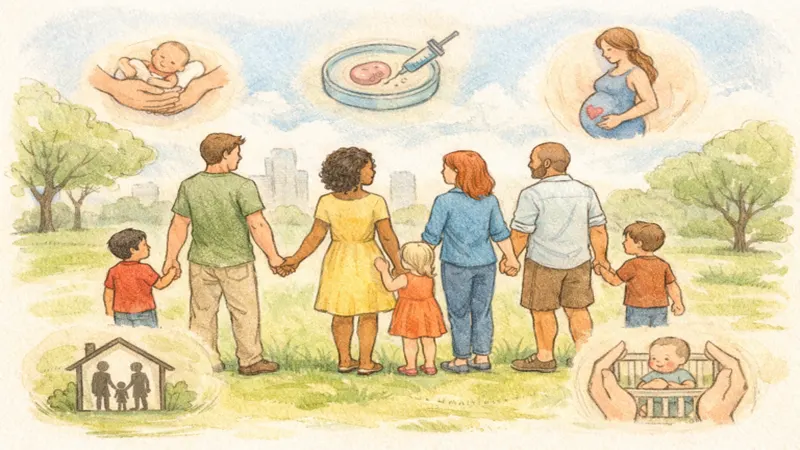
Today’s options extend far beyond traditional routes, offering pathways such as domestic infant adoption, foster care adoption, international adoption, and emerging biological alternatives like in vitro fertilization (IVF) and surrogacy. Each option presents its own set of opportunities, challenges, and support networks.
Understanding Adoption Paths
Adoption comprises several primary pathways, each designed to serve different needs and circumstances. When considering adoption, it is vital to understand the unique processes, regulations, and benefits that come with each route:
- Domestic Infant Adoption: This option involves adopting a newborn within your own country. Prospective parents work with agencies or private attorneys to connect with expectant mothers who are considering adoption. This process can provide an opportunity to engage with the birth family before the baby’s birth, sometimes forming a relationship that extends into the future.
- Foster Care Adoption: Foster care adoption involves adopting children who are already in the child welfare system. Prospective parents may encounter older children, sibling groups, or children with special needs. While there may be minimal or no adoption fees, families must often navigate legal challenges and provide emotional support for children who have experienced trauma.
- International Adoption: Adopting a child from another country involves additional legal complexities, including compliance with both U.S. and foreign regulations. This process demands patience and careful research, given oversight from both countries’ governments and attention to cultural sensitivity.
Biological Family-Building Methods
For those who wish to pursue a genetic connection to their future children, medical advances offer promising solutions. Two of the most common biological family-building methods include:
- In Vitro Fertilization (IVF): IVF is a process in which eggs are fertilized by sperm outside the body and then transferred to the uterus. IVF has become a beacon of hope for families coping with infertility, although it often requires a significant investment of time, financial resources, and emotional resilience. The process can raise ethical or religious questions for some families; ongoing debate and resources are available.
- Surrogacy: Surrogacy involves a third party carrying a pregnancy for intended parents. This method is particularly relevant in situations where pregnancy is not medically possible or for same-sex couples. Surrogacy arrangements can be complex and costly, and often require legal counsel to safeguard the interests of all parties involved.
Legal and Financial Considerations
Each family-building method has its own set of legal and financial requirements. Adoption involves navigating state, national, and sometimes international laws. The fees for adopting through foster care are typically minimal, while domestic private and international adoptions can become costly due to agency fees, legal expenses, and travel costs.
For IVF and surrogacy, expenses depend on the choice of clinic, medicines, and legal arrangements. Many states have different regulations concerning both practices, so intended parents must work closely with both healthcare providers and legal professionals.
Emotional and Social Factors
Beyond legal and financial planning, building a family through adoption or assisted reproduction requires emotional resilience and strong support networks. Managing grief related to infertility, adjusting expectations, and addressing the complexities of relationships with birth families are essential considerations. Many families benefit from professional counseling and peer support groups.
Social acceptance can be another hurdle. Understanding and preparing for possible challenges helps promote a nurturing environment for both parents and children. Ongoing education and advocacy can also help shift societal perceptions for adoptive and non-traditional families.
Resources and Support
Engagement with support organizations and professional networks is critically important throughout all phases of the family-building process. National and local organizations provide advice, counseling, and advocacy. Community groups make it easier to connect with others navigating similar challenges and successes, helping to lighten the emotional load and provide practical solutions to common questions.
In addition to established agencies and organizations, there are now a variety of online communities and forums tailored specifically for individuals and couples pursuing adoption, IVF, or surrogacy. These spaces provide both anonymity and camaraderie, allowing people to ask difficult questions, share updates, and celebrate milestones with others who truly understand the highs and lows of the journey. Digital resources also include webinars, virtual peer groups, and expert Q&A sessions, making support access more convenient and far-reaching than ever before.
Educational materials offered through these platforms include not only practical guides but also personal stories, which can be comforting to those facing uncertainty or setbacks. Having access to a spectrum of perspectives and experiences helps intended parents manage expectations and remain flexible throughout their path to parenthood. Many people find that regular involvement in online support can reduce the feelings of isolation that sometimes accompany non-traditional approaches to family-building.
Conclusion
Choosing a path to build a family is one of life’s most profound decisions, shaped by personal values, legal requirements, finances, and emotional preparedness. By thoughtfully considering every available option and accessing trusted guidance and support, you can move forward with confidence on your family-building journey.
Ultimately, there is no “one right way”; what matters is that the path chosen is well-informed and feels right for you and your loved ones. Whether your family grows through adoption, IVF, surrogacy, or a combination of approaches, embracing the full range of available tools and resources will help ensure a positive, supported experience for every member of your expanding family. Take time to explore, educate yourself, and connect with professionals and peers as you navigate your journey. Your future family is worth it. See more