
A new bathtub should do more than look good in a finished bathroom. It should fit the room, support the way your household actually bathes, and remain manageable to clean and maintain. Whether you are planning a full remodel or comparing replacement bathtubs for an existing space, a few early decisions can prevent expensive changes later.
Begin with practical questions: Who will use the tub, how often will it be used, and is a shower-tub combination necessary? A deep soaking tub can be appealing, but an option with a difficult entry height or an awkward footprint may not suit everyday life.
Start With Your Daily Routine
The best bathtub is the one that matches the household’s needs. Families with young children may prioritize a durable tub-shower combination. People who enjoy long baths may value a comfortable backrest, interior width, and water depth. Others may prefer more shower space and only need a compact tub for occasional use.
Personal routines are shaping bathroom design choices, including storage, wellness features, and layouts that feel easier to use every day. The focus on personalized bath design also makes it sensible to choose features based on your habits rather than on appearance alone.
Measure the Space Before Choosing a Tub
Measurements should come before selecting a style or finish. Measure the available length, width, and height, then check door swings, windows, vanities, toilets, and shower walls. Record the location of the drain, water supply lines, faucet controls, and any plumbing access panel.
Leave room to enter and exit safely, reach controls, clean surrounding surfaces, and service plumbing when needed. The floor structure must also be suitable for the selected tub, water, and occupants.
Compare Common Bathtub Styles
- Alcove tubs: Installed between three walls, these are a practical fit for many standard bathrooms and tub-shower combinations.
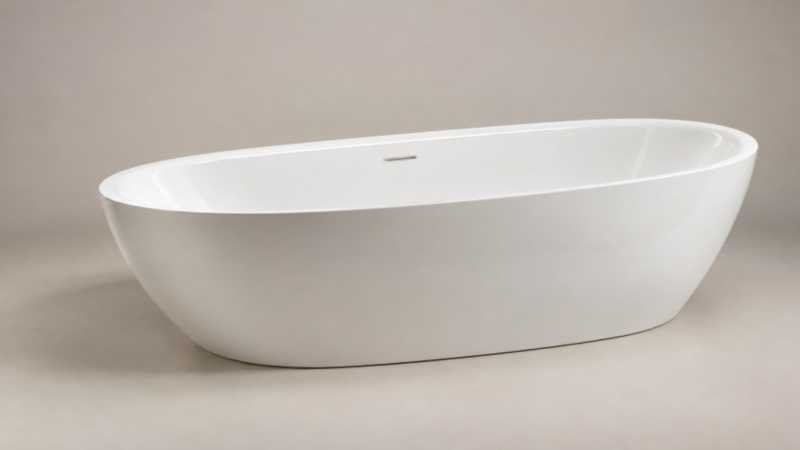
- Freestanding tubs: These create a focal point and work best when the room has clear floor space around the tub.
- Drop-in tubs: Set into a finished deck or surround, they can provide useful ledge space for bath items.
- Corner tubs: These may suit a larger layout, although their wider shape can consume substantial floor area.
- Accessible tubs: Lower-threshold and walk-in options may make entry easier for users with mobility concerns.
Style should follow function. For example, a freestanding tub can be striking, but limited access behind it can make floor cleaning more difficult. An alcove unit may be less dramatic, yet it can make efficient use of a compact room.
Choose a Material That Fits Your Lifestyle
Acrylic tubs are generally lightweight and have a smooth surface. Fiberglass is often a lower-cost option, though it can be more vulnerable to scratching or surface wear. Porcelain-enameled steel has a firm finish but may rust beneath a deep chip.
Cast iron is durable and retains heat well, but its weight can complicate delivery and installation. Solid-surface tubs offer a substantial feel and can often be repaired, though they commonly cost more. Compare the manufacturer’s care instructions before buying, especially if you prefer low-maintenance cleaning.
Plan for Safety and Future Needs
Consider slip-resistant surfaces, a handheld shower, easy-to-reach controls, secure grab bars, adequate lighting, and a clear path around the tub. A built-in or fold-down seat may also improve comfort while bathing or shaving.
Current renovation research shows that homeowners increasingly connect bathroom comfort with cleanliness, organized storage, and room to relax, as reflected in how renovated bathrooms support daily self-care.
Think About Cleaning and Long-Term Care
Easy-care choices save time week after week. Smooth, nonporous surfaces are generally faster to wipe down than heavily textured finishes. Fewer grout lines and simple faucet shapes can reduce places where soap residue collects. Built-in niches or shelves can also keep bottles from crowding the tub edge.
Use non-abrasive products approved for the tub material, dry standing water when practical, inspect caulk regularly, and run ventilation during and after bathing. These habits help limit moisture-related damage around the tub and walls.
Review the Full Project Budget
The tub’s purchase price is only one part of the project. Include demolition, disposal, plumbing changes, waterproofing, wall or floor repairs, fixtures, permits where required, labor, and a contingency for unexpected conditions behind existing walls. A less expensive tub may not be the best value if it requires difficult installation or frequent repairs.
Use a Simple Bathtub Selection Checklist
- Confirm the available dimensions and clearance around nearby fixtures.
- Locate the drain, water lines, and plumbing access.
- Identify the primary users and their bathing routines.
- Decide whether easier entry is important now or in the future.
- Compare material weight, durability, feel, and cleaning needs.
- Calculate the complete installation budget before ordering.
Common Bathtub Questions
What is the best bathtub for a small bathroom?
An alcove or compact tub is often a sensible choice because it uses wall space efficiently. Final selection should depend on actual measurements and clearances, not a product description alone.
Are freestanding tubs harder to clean?
They can be if the space between the tub and wall is too narrow for easy access. Leave enough room to clean the floor and reach any plumbing connections.
Is a deeper tub always more comfortable?
No. Interior shape, back support, seat height, entry height, and the amount of water needed all influence comfort.
Should a bathtub be designed for future accessibility?
If changing mobility is a possibility, planning ahead can be worthwhile. Support bars, handheld controls, seating, and open floor space can make bathing more comfortable without limiting the room’s style.
Final Takeaway
The right bathtub balances comfort, size, safety, maintenance, and cost. Measure carefully, consider everyday use, and review the full installation plan before committing. A thoughtful choice can make the bathroom more enjoyable and easier to live with for years. See more