
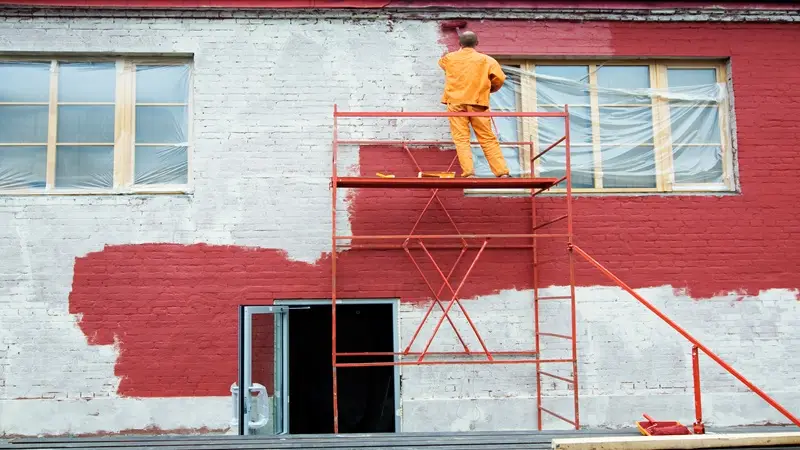
A freshly painted exterior transforms a house in a way that almost nothing else can match for the investment. The same structure that looked tired and slightly apologetic in the morning can look confident and well-maintained by afternoon. It is one of the most dramatic curb-appeal improvements available to homeowners, and it does not require a renovation.
But the results that look effortless are anything but. Exterior painting done well is a technically demanding process, and the failures that show up two years later, the peeling, the blistering, the uneven sheen, are almost always rooted in shortcuts taken during preparation rather than problems with the paint itself.
Homeowners in the greater Toronto area who are evaluating options for exterior house painting Toronto consistently encounter the same split in the market: crews who will move quickly and charge less, and companies that invest in proper surface preparation and charge accordingly. The difference in the finished result becomes visible within a season.
Why Preparation Is the Entire Job
Professional painters will tell you that 80% of a great paint job happens before a single drop of new paint is applied. This is not an exaggeration. Paint adheres to surfaces, and how well it adheres depends entirely on the condition of the surface it is being applied to.
Proper exterior preparation begins with a thorough wash of the entire surface to remove dirt, mildew, algae, and chalking from the existing paint layer. In most cases, this is done with a soft-wash or low-pressure rinse rather than high-pressure washing, which can drive water into the wood and damage older siding.
After washing, the surface needs to be fully dry before any work continues. Painting over moisture is one of the primary causes of premature peeling. Depending on conditions, this drying time can be days rather than hours.
Next comes scraping and sanding to remove any loose, flaking, or chalking paint. Painting over unstable paint is equivalent to gluing paper to a wet surface. It may look fine initially, but the adhesion is compromised at the substrate level, and the paint will fail from the bottom up.
Surface-Specific Considerations
Different siding materials have different preparation requirements, and getting this wrong is a common source of paint failure on Toronto homes.
Wood siding and trim need to be checked carefully for rot and soft spots before painting. Painting over rotten wood does not protect it. It seals moisture in and accelerates the decay. Any soft or spongy areas need to be addressed, whether through wood hardener, epoxy filler, or replacement, before a brush gets near them.
Fiber cement siding, which is common on newer Toronto homes, has its own requirements. It is highly porous and absorbs paint aggressively, which means primer application is critical, and paint coverage quantities need to be calculated accordingly. Painting fiber cement without an adequate primer leads to uneven sheen and premature color fade.
Brick and masonry surfaces that have been previously painted need a masonry primer designed to penetrate the porous surface and create a stable bonding layer. The wrong primer on masonry peels within a season.
Choosing the Right Paint for the Ontario Climate
Toronto’s climate is genuinely harsh on exterior paint. Winters that cycle repeatedly through freeze and thaw, summers that can range from cool and wet to hot and dry, and seasonal salt exposure from road spray. Paint that performs well in a mild climate can fail quickly here.
100% acrylic latex paint is the standard choice for Ontario exterior applications. It expands and contracts with the substrate through temperature cycles without cracking. It is breathable, which allows moisture vapor to escape rather than getting trapped under the film, and it resists mildew growth better than oil-based alternatives. Sheen level matters too. Semi-gloss and satin sheens on trim and doors are not just aesthetic choices. They are easier to clean and more resistant to moisture penetration than flat finishes.
Paint quality varies significantly within these categories. Mid-grade and premium exterior paints contain higher concentrations of titanium dioxide and acrylic resins, which translate directly to better coverage, richer color retention, and longer service life. The cost difference between a good exterior paint and a cheap one is modest in the context of a full paint job. The performance difference over five years is not modest at all.
The Timing Window
Exterior painting in Ontario has a meaningful seasonal window. Paint requires temperatures above 10 degrees Celsius to cure properly, and it should not be applied in direct hot sunlight or immediately after rain. The ideal painting conditions are overcast, dry days with moderate temperatures.
This gives Toronto homeowners roughly from late May through early October for reliable exterior painting conditions, with the core window of July through September being most consistent. Spring and fall painting is possible but requires careful monitoring of nighttime temperatures, which can drop below curing thresholds even on warm days.
Booking an experienced painting crew early in the season, rather than scrambling in August when every crew is booked solid, gives you access to better scheduling, better conditions, and a crew that is not exhausted from peak-season overload.
What a Good Warranty Looks Like
A professional exterior painting company should back their work with a labour warranty, typically two to five years, that covers peeling, blistering, or adhesion failure. This warranty reflects their confidence in the preparation process because a well-prepared surface with quality paint simply does not fail within that window under normal conditions.
When evaluating quotes, ask specifically about warranty terms and what voids the warranty. Understand whether the warranty covers just labour, or materials as well. A company that offers a clear, well-defined warranty is a company that stands behind its preparation work, which is the most important thing to know before you hire. See more