
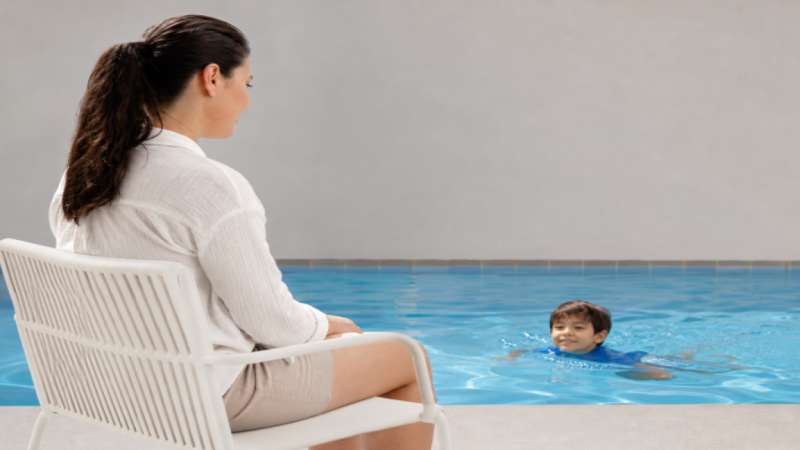
For Center Valley families, safer swim habits begin long before a child steps into a pool, lake, or stream. Swimming can be a fun part of summer, school breaks, family vacations, and local recreation, but water safety is most effective when it becomes a regular family routine rather than a last-minute reminder.
Structured instruction is one important part of that routine. Swim lessons PA options from Swim-in Zone in Center Valley provide families with information about age-based classes, trained instructors, water-safety curriculum, and progressive skill development for babies, children, and adults. With small-group and individual learning opportunities at its Center Valley location, Swim-in Zone is a relevant local resource for families seeking to build confidence and practical swimming ability over time.
Water Safety Risks Around Center Valley
Center Valley and the wider Lehigh Valley offer many ways for families to spend time near water. A backyard pool has different hazards than a busy public pool. Natural water introduces changing depths, rocks, weeds, uneven footing, currents, and water temperatures that can surprise even confident swimmers. A child who follows rules carefully at swim practice may still be curious about a pond, creek, or hotel pool during an unplanned stop.
Busy schedules can also create a risk. One adult may assume another is watching, especially when relatives, neighbors, or older siblings are present. Children can enter water quietly, and danger can develop without splashing or shouting. Make water supervision a deliberate responsibility every time.
Why Basic Swimming Skills Matter
Water competency involves more than just swimming across a pool. It includes learning to safely enter the water, float on the back, control breathing, turn around, move toward an exit or wall, and call for help. Adults who feel uneasy in deep water can also benefit from lessons, as their comfort and understanding influence how they supervise children. While formal lessons can reduce the risk of drowning, they are only one safety measure. Close supervision, barriers, life jackets, and swimming skills are equally important. Even after taking lessons, an attentive adult must always be nearby.
Creating a Clear Supervision Plan
This person should have a clear view of the water, stay close enough to respond immediately, and avoid distractions such as phones, books, cooking, or conversations.
- Name one adult as the active water watcher before swimming begins.
- Keep young children and weak swimmers within arm’s reach.
- Use a direct handoff, such as “You are watching the pool now.”
- Pause swimming if no responsible adult is available.
- Check the water first if a child cannot be found.
Home Pool Safety for Pennsylvania Families
Home pools need protection even when the family is not planning to swim. A four-sided barrier separating the pool from the house, along with a self-closing, self-latching gate, can help prevent unsupervised access. Keep gates secured, store ladders appropriately for above-ground pools, and remove floating toys after use so they do not attract children back to the water.
Seasonal Pool Checklist
- Inspect gates, latches, covers, alarms, and fencing before opening day.
- Keep a reaching pole, life ring, or throwable flotation device easily located.
- Confirm that pool chemicals and equipment are stored away from children.
- Review household rules: no swimming alone, no running, and no diving into shallow water.
- Make sure all regular caregivers know the emergency plan.
Smart Habits at Public Pools
At public pools, listen to lifeguards and follow posted rules. On arrival, show children the shallow end, deep end, exits, restrooms, and lifeguard station. Lifeguards provide an important safety layer, but parents and caregivers remain responsible for watching their own children, particularly those who are young or still developing skills.
Schedule water, shade, and bathroom breaks. Discourage running, rough play, and breath-holding contests, which can cause injuries or reduce a swimmer’s ability to recognize distress. Before getting in, remind children that they must ask permission and stay in the area appropriate for their skill level.
Staying Safe at Lakes, Rivers, and Streams
Natural water should be approached differently from a pool. Never dive into unfamiliar water, because hidden rocks and shallow areas can cause severe injuries. Swim only in approved locations, preferably where lifeguards are present, and use properly fitted, U.S. Coast Guard-approved life jackets for boating, paddling, and weaker swimmers near open water.
Pack thoughtfully for an outing: life jackets, dry clothes, drinking water, sunscreen, a first-aid kit, towels, and a charged phone. Calm-looking water can still hide current, cold areas, or sudden drop-offs. If conditions seem uncertain, choose a safer activity.
Weather and Water Conditions to Watch
Check the forecast before heading outdoors, especially during summer storm season in the Lehigh Valley. Leave the water immediately when thunder is heard, or lightning is seen, and wait until conditions are clearly safe before returning. After heavy rain, use added caution around streams and natural swimming areas because runoff can affect water quality, visibility, and current strength. Follow any posted park or recreation advisories.
Choosing Age-Appropriate Swim Instruction
A helpful swim program matches instruction to a child’s age, comfort level, and current ability. Ask prospective programs about instructor training, class size, water depth, progress checks, emergency procedures, and how they help nervous swimmers. Parent-and-child classes, beginner instruction, stroke development, private sessions, and adult lessons can all serve different needs. The goal is not to find a one-size-fits-all program, but to choose a setting where swimmers can build skills steadily and safely.
What to Do in a Water Emergency
In an emergency, shout for help and tell someone to call 911. Remove a person from the water only when it can be done safely. If possible, reach or throw equipment rather than entering dangerous water without training. Begin CPR if trained and follow the dispatcher’s instructions. Every regular caregiver should consider CPR and first-aid training before pool season begins. The American Red Cross also provides practical swimming safety guidance for families preparing for water activities.
Building Safer Habits One Swim at a Time
Safer water activities are built through small, repeated choices. Teach children to ask before entering water, designate a focused water watcher, use the right safety equipment, respect weather conditions, and keep emergency skills current. When Center Valley families combine these habits with consistent swim education, they can enjoy pools and outdoor water activities with greater confidence and fewer avoidable risks. See more