
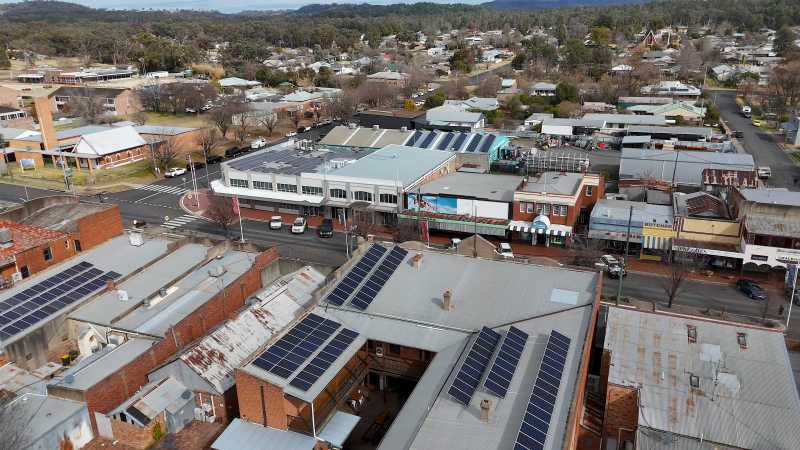
Residential solar installations have become a transformative force in the United States, fueled by falling technology costs and increasing environmental consciousness among homeowners. As more households embrace solar energy, communities are witnessing positive changes that extend well beyond individual properties. If you are considering making the switch to solar for your home, click here to learn more about your options and how to get started.
Homeowners today are not just looking to save on utility bills; many are also focused on reducing their environmental impact and contributing to collective sustainability goals. These factors have led to a surge in solar adoption, with installation rates steadily climbing nationwide.
Environmental and Economic Benefits
Implementing solar solutions at the residential level allows communities to significantly lessen their greenhouse gas emissions. Each solar installation helps displace energy produced by fossil fuels, leading to cleaner air and a smaller collective carbon footprint. On a local scale, these gains contribute to improved public health and a more resilient ecosystem, supporting climate action efforts nationwide.
Economically, solar installations empower residents with significant energy cost savings over time. Households can reduce or even eliminate electricity bills, enhancing financial stability and resilience. On a broader scale, investments in solar technology also generate new jobs and stimulate economic growth, further contributing to community strength. According to the U.S. Department of Energy, the U.S. solar industry employed nearly 250,000 people in 2022, highlighting solar’s important economic footprint.
Addressing Equity in Solar Adoption
Despite the many benefits, access to residential solar energy is not yet equally distributed. Studies consistently find that solar installations remain clustered in more affluent areas, while lower-income and minority neighborhoods face numerous adoption barriers. For example, research into the rise of rooftop solar in Atlanta revealed that increases in installation rates in poorer and majority-Black neighborhoods were largely driven by gentrification, rather than breakthroughs in equity or access for previously excluded residents. This demonstrates the urgent need for policies and incentives that prioritize equity, so all communities can share in the benefits of renewable energy advancements.
Innovative Programs Promoting Solar Equity
Numerous innovative programs are emerging to close the gap in access and ensure no community is left behind in the solar revolution. Organizations such as the Residential Renewables for All coalition are championing changes to tax credits, aiming to lower the financial barriers to solar for low-income families and communities of color. These coalitions work to design policies that extend opportunities to renters, multifamily buildings, and those who may not qualify for traditional solar financing. Such initiatives promote a more inclusive approach to clean energy adoption, ultimately supporting fair community development.
Community Solar Projects: A Collective Approach
Community solar projects are increasingly taking center stage as a collaborative model for broadening solar access. Unlike traditional rooftop solar, these projects allow multiple households, often including renters and low-income families, to benefit from a single solar array. In 2024, there was a 35% increase in community solar installations across the U.S., illustrating growing enthusiasm for shared renewable energy projects. Community solar not only delivers clean, affordable electricity to more residents but also fosters a culture of collective responsibility and environmental stewardship within neighborhoods.
Policy Support and Funding
The growth and equitable distribution of residential solar depend heavily on robust policy support and targeted financial incentives. Federal and state governments are increasingly recognizing the importance of this transition. Programs like the U.S. Environmental Protection Agency’s Solar for All grant competition awarded $156 million to the Washington State Department of Commerce to expand solar access for low-income and disadvantaged households. Strategic investments such as these play a critical role in making solar adoption feasible for communities that have historically faced economic or structural barriers.
Overcoming Challenges and Looking Ahead
Widespread and equitable adoption of residential solar energy still faces challenges, including financing obstacles, regulatory hurdles, and a need for increased community outreach. Bridging these gaps requires ongoing collaboration among policymakers, industry leaders, advocacy groups, and community members. Technological advances, innovative funding mechanisms, and sustained public engagement will help ensure solar energy becomes truly attainable for all. As the energy landscape continues to evolve, inclusive solar initiatives remain key to building sustainable and resilient communities that thrive long into the future.
Residential solar installations are more than just a means of generating clean energy. With purposeful policy interventions, community engagement, and a genuine commitment to equity, these systems become powerful drivers of sustainability and opportunity for all. See more