
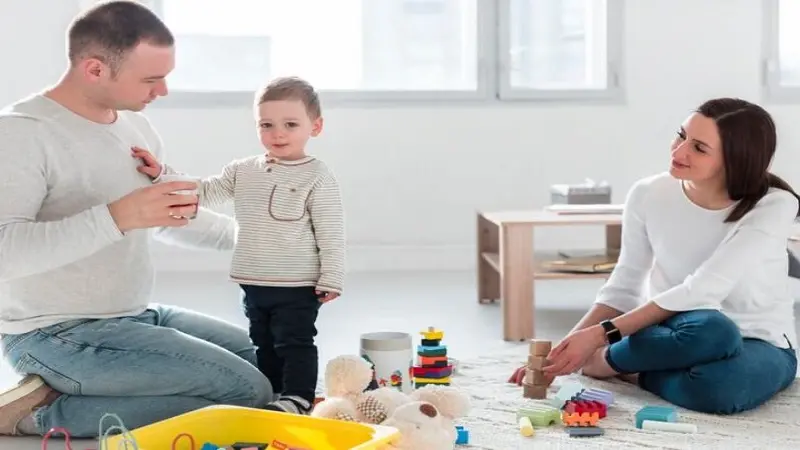
Children love to play. Whether it’s running around outside with their friends or having epic races with toy cars in your living room, you’ll find that children really love to mess around and play. That said, it helps to understand the various types of play that children go through. After all, there are key differences between social play, active play, and even some of the more imaginative play.
As you can see, though, there’s a lot to learn about children playing. The good news? In this guide, we take you through everything you need to know about the various types of play for developing children. Read on to learn more below.
When Do Children Start to Play?
So, when do children start to engage with the various types of play? This is one of the most important things to understand before you begin. More often than not, you’ll find that children start to play at around zero to three months – they start playing right out of the womb.
However, each stage varies. During the early years, children play independently, but at around two years old, children will start to observe others. What’s more, they may begin to participate with other children once they get a little older and become more comfortable around others.
At around three to four years old, children will begin to play with other children and interact with toys, and play becomes more cooperative and competitive after four years old.
What Are the Various Types of Play?
When it comes to the various types of play, you’ll find that there are a handful of key ones out there. We cover each type in detail below.
Physical Play
One of the most common types of play is physical play. This includes your typical running, jumping, burning energy, and even a little rough housing. You may also find that some children may dance, explore, or participate in other physical tasks.
That said, the main goal of physical play is to ensure that children are building and developing their fine motor skills.
Constructive Play
Constructive play is another good option, and your child will likely start sooner rather than later. This includes playing with building blocks, playing house, acting as a superhero, and even messing around with something like a stick.
While it may not all seem constructive, you’ll find that children who do this are building their fine motor skills and overall spatial awareness.
Pretend
Has your child ever had an imaginary friend? Or do you have fond memories of yours? If so, then you’re already familiar with this type of play, which is pretend or imaginary play.
Pretend play can also branch into other types of play. Whether that’s making characters out of stuffed animals or focusing more on creating battles with toys/action figures, this is all a little bit of pretend action.
Sensory Play
When it comes to playing, young children love to experience things with their senses. This is known as sensory play. The key senses that children stimulate tend to be sounds and colors. For this reason, colorful balls and other similar toys may be a good choice if you want to stimulate your child’s senses.
Competitive Play
Competitive play is one of the most popular types of play, especially as your child gets a little older. Whether it’s a game of kick-ball or a little backyard stick-ball action, competitive play is something to keep an eye on.
Competitive play doesn’t just have to be physical. You’ll find that some children may even be competitive when they play board games, card games, or other simple games. See more
Our Final Thoughts on Types of Play
At the end of the day, there are many types of play, and what your child needs varies based on where they are in their development stage. Plus, some children just enjoy some types of play more than others, so it’s something you need to keep in mind. The good news is that if you need any toys at all, online options are available, and American Toy Store’s online shop is our top choice.
When you shop with this store, you’ll find that dozens of options are available across a wide variety of categories. Therefore, you don’t have to worry about running up and down aisles only to find toys that aren’t available.