
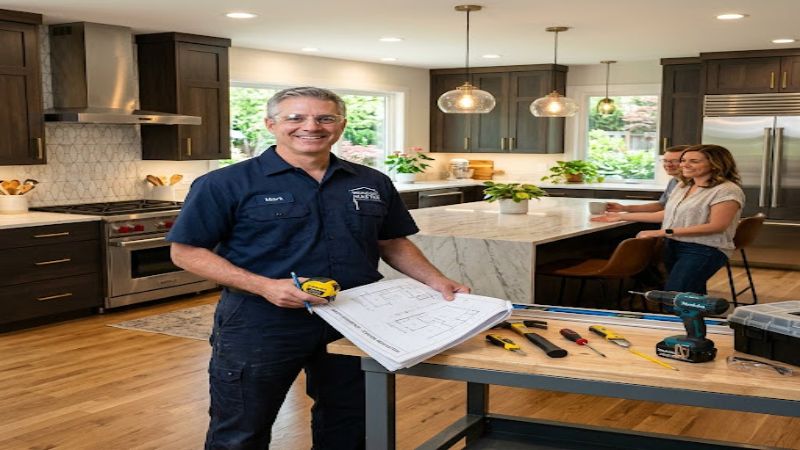
Few decisions carry more weight during a home renovation than choosing the right contractor. The person you hire will spend weeks sometimes months inside your home, making decisions that affect its safety, functionality, and long-term value. Get it wrong, and you’re left dealing with costly repairs, missed deadlines, and a lot of stress.
The good news? Knowing what to look for makes the process far less intimidating.
Verified Licenses and: The Non-Negotiables
Before anything else, confirm that any contractor you’re considering holds a valid license in your state and carries both general liability and workers’ compensation coverage. These aren’t formalities they’re your financial protection.
A licensed contractor has met your state’s minimum standards for competency and compliance. means that if something goes wrong on the job a worker gets injured, a wall gets damaged you won’t be held financially responsible. A reputable contractor will never hesitate to provide this documentation.
A Portfolio That Speaks Louder Than Words
Experience is best measured through results. Ask any contractor you’re evaluating to share a portfolio of completed projects, particularly those similar in scope to your own. Before-and-after photos, project timelines, and detailed descriptions of the work involved will give you a realistic sense of their capabilities.
If the portfolio impresses you, take it a step further ask for references and actually call them. Previous clients will tell you things that no website or brochure ever will, including how the contractor handled unexpected challenges, whether they respected the property, and whether the final result matched the original vision.
Transparent, Itemized Estimates
A trustworthy contractor doesn’t hand you a single number and call it a quote. Remodeling services that are delivered with professionalism and integrity will come with a detailed, itemized estimate one that breaks down the cost of labor, materials, permits, and any subcontracted work
Vague estimates are a warning sign. They create room for disputes later and often signal that a contractor hasn’t fully thought through the scope of your project. Always get at least three estimates, and be cautious of any bid that comes in dramatically lower than the others.
Clear Communication from Day One
Pay close attention to how a contractor communicates during the quoting process it’s a preview of how they’ll communicate throughout the job. Do they listen carefully to your goals and ask thoughtful questions? Do they explain their process clearly without making you feel rushed or dismissed?
Renovation projects are dynamic. Unexpected issues come up a hidden pipe, an outdated electrical panel, a structural surprise behind the drywall. When those moments happen, you need a contractor who communicates proactively, presents your options honestly, and keeps the project moving without making unilateral decisions.
A Detailed Written Contract
A solid agreement should include the full scope of work, the project timeline with key milestones, a payment schedule, the materials to be used, and a process for handling changes to the original plan.
Pay particular attention to the payment structure. A reasonable contractor will ask for a deposit upfront typically between 10% and 30% of the total project cost with remaining payments tied to completed milestones. Anyone demanding full payment before work begins is a significant red flag.
Local Reputation and Community Presence
A contractor with strong roots in your community has more at stake than one who operates transactionally. Local contractors rely heavily on word-of-mouth referrals, which means their reputation is directly tied to the quality of their work and how they treat clients.
Check online reviews on platforms like Google and Houzz, and look for patterns rather than isolated incidents. A handful of negative reviews among hundreds of positive ones tells a different story than a consistent stream of complaints about the same issues poor communication, unfinished work, or billing disputes.
Realistic Timelines and Honest Expectations
A contractor who promises to complete your kitchen renovation in two weeks when industry standards suggest six is either overcommitting or underestimating neither of which bodes well. Good contractors set realistic timelines and explain clearly what factors could extend them.
Ask specifically how they handle delays, what their policy is for project updates, and how many active jobs they’re managing at the same time. A contractor juggling too many projects simultaneously may treat yours as secondary when scheduling conflicts arise.
What Makes a Contractor the Right Fit for Your Project?
Beyond credentials and references, fit matters. You want someone who understands your vision, respects your budget, and brings genuine enthusiasm to the work not just someone filling a slot on their schedule.
Ask them directly: Have you completed a project like this before? What challenges do you anticipate? How would you approach this differently from a standard job? The quality of their answers will tell you a great deal about their expertise and their investment in your project’s success.
Make the Right Call Before the First Nail Is Hammered
Hiring a remodeling contractor is one of the most consequential choices you’ll make as a homeowner. The right contractor brings skill, reliability, and accountability to every phase of the job, from the initial walkthrough to the final inspection.
Every homeowner deserves a renovation experience built on trust, quality craftsmanship, and clear communication. If you’re ready to start your next project with a contractor who checks every box, reach out to a trusted local team today and let’s talk about what you can build together. See more