
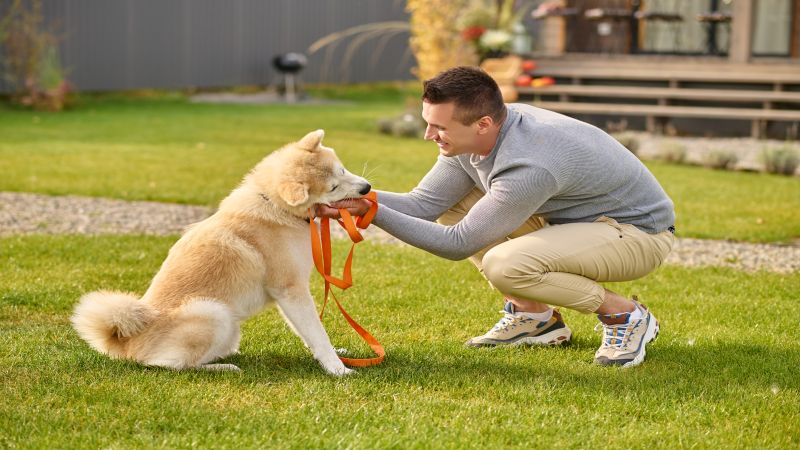
Many people look at a dog’s leash and see nothing more than a simple tether. They view it as just a rope designed to keep an animal from running off. But for a dedicated trainer, this piece of equipment represents so much more. Your choice of leash material, length, and style directly broadcasts your training philosophy and your level of professional control.
When you first bring a puppy home, a heavy-duty, standard leash makes sense for basic management. Your goals at that stage are simple safety and basic boundaries. As you progress into advanced obedience, agility, or the conformation ring, your equipment needs naturally evolve. You start to realize that the leash is a direct line of communication between your hand and your dog’s collar.
Every slight movement of your fingers sends a signal down that line. Understanding this relationship helps you select gear that improves your dog’s responsiveness while elevating your overall presentation. Upgrading your equipment is a deliberate step toward refining your technique. By the end of this guide, you will see exactly how the right tools can transform a standard walk or a competitive run into a seamless partnership.
Moving Beyond Clunky Equipment
Heavy, clunky leash materials send a distinct message about your handling style. Thick leather or stiff, heavy-duty webbing signals a reliance on brute strength to manage the dog. This type of gear actually disrupts the subtle communication required for refined handling. When a leash is too heavy, the dog feels constant, dead weight on their collar, which dulls their sensitivity to your gentle corrections.
A common problem for dedicated trainers is hand fatigue and diminished grip during long training sessions or dog shows. Stiff materials dig into the skin, making it difficult to gather or release the line smoothly. When your hands are tired and sore, your reaction times slow down. This lack of fluidity can easily distract your dog or ruin a sleek presentation in the conformation ring.
Handlers who prioritize precision naturally move away from heavy, cumbersome gear. Instead, they opt for handcrafted dog show leads for confident handling. These nylon leashes feature a design that offers comfort, control, and performance.
Tightly braided nylon combined with secure swivel clips provides a firm, comfortable grip that drastically reduces physical strain. The swivel action prevents the line from twisting, allowing you to maintain a direct, clear connection with the dog. Upgrading to these materials solves the pain point of hand fatigue while maintaining a highly professional aesthetic.
Length and Control: Balancing Freedom with Finesse
Choosing the right leash length is about finding the perfect balance between handler control and the dog’s freedom to explore. A four-foot lead keeps the dog right at your side, demanding constant attention and strict heelwork. A six-foot lead allows for a bit more casual movement, giving the dog space to sniff while still remaining manageable. Long lines, stretching from ten to thirty feet, are generally reserved for distance recall training or field work.
Choosing a short, thin lead indicates a handler who requires close, precise control. This specific style is frequently seen in the conformation ring, where the dog must be perfectly positioned at all times. A thin leash visually disappears against the dog’s coat, ensuring the judge focuses entirely on the animal’s movement and structure.
Conversely, choosing longer or thicker leashes reflects a different training philosophy altogether. These tools are often used for managing unpredictable tension in public spaces or for working breeds that need room to perform specific tasks. A thicker leash gives the handler more surface area to grab if a dog suddenly lunges.
To choose the correct leash thickness and length, you must evaluate both your breed’s specific needs and your personal handling style. A delicate Toy Poodle requires a thin, lightweight lead so they aren’t weighed down in the ring. A powerful Rottweiler might need a slightly thicker braid to ensure the handler maintains a comfortable, secure grip.
| Leash Length | Primary Use Case | Handling Philosophy |
|---|---|---|
| 3-4 Feet | Conformation ring, tight urban environments | Maximum precision, close control, dog maintains strict focus on handler. |
| 6 Feet | General walking, basic obedience | Balanced approach, allows minor exploration while keeping the dog safe. |
| 10+ Feet | Field training, recall exercises | Distance work, building trust while maintaining a safety tether. |
The Mechanics of Tension: Safety and Communication
The physical toll of leash pulling is a serious issue that many handlers underestimate. When a dog pulls aggressively, that tension travels directly up the line, straining your fingers, wrists, and shoulders. This constant pulling completely breaks down effective communication with the dog. Instead of receiving clear signals, the dog only feels a steady resistance, which often encourages them to pull even harder.
The physical stakes of handling are surprisingly high. According to a 2023 study highlighted by Harvard Health, there was a sharp rise in dog-walking injuries from 2001 to 2020. Medical professionals frequently treat broken fingers, traumatic brain injuries, and severe shoulder sprains resulting from sudden lunges on the leash. Research also highlights that half of dog walkers experience at least 28 pounds of leash force during a typical session.
High-quality leash construction plays a massive role in mitigating these risks. Soft, braided textures naturally absorb a small amount of force, buffering your hands against sudden jerks. This thoughtful design helps prevent severe hand strain or injury during unexpected pulling episodes. When you aren’t fighting a painful grip, you can focus entirely on your training mechanics.
“A relaxed leash with a gentle curve indicates that the dog is moving willingly with the handler, rather than being forced into position.”
Proper technique is just as important as the equipment itself. The gold standard for safe, effective communication relies on maintaining a slack line. You can look to the ASPCA’s recommendation to maintain a “U-shape” in the leash as a visual benchmark for proper technique. When that U-shape is present, it confirms you are communicating clearly and minimizing the risk of physical injury.
Conclusion
A dog’s leash is clearly not just a simple restraint. It is a highly visible indicator of your handling style, your training priorities, and your technical skill. Every time you step out for a session, your equipment broadcasts how you choose to communicate with your animal. Moving away from heavy, stiff materials is the first step toward achieving a higher level of precision.
Solving common pain points like hand fatigue and clunky presentation starts with intentional choices. Selecting the right material, thickness, and length for your specific dog makes an immediate difference in your daily routine. High-quality braided nylon and proper length selection allow you to maintain safety while offering the dog the exact amount of freedom they need.
By matching your equipment to your ambitions, you refine your technique from the ground up. You protect your own physical health while simultaneously demanding better focus from your dog. Take a hard look at the gear hanging by your door today, and ensure it truly reflects the professional standard you are striving to achieve. See more